Medallions reduced by up to €50!
All lockets CHEAPER ✨
Wear your most beautiful memories close to you.
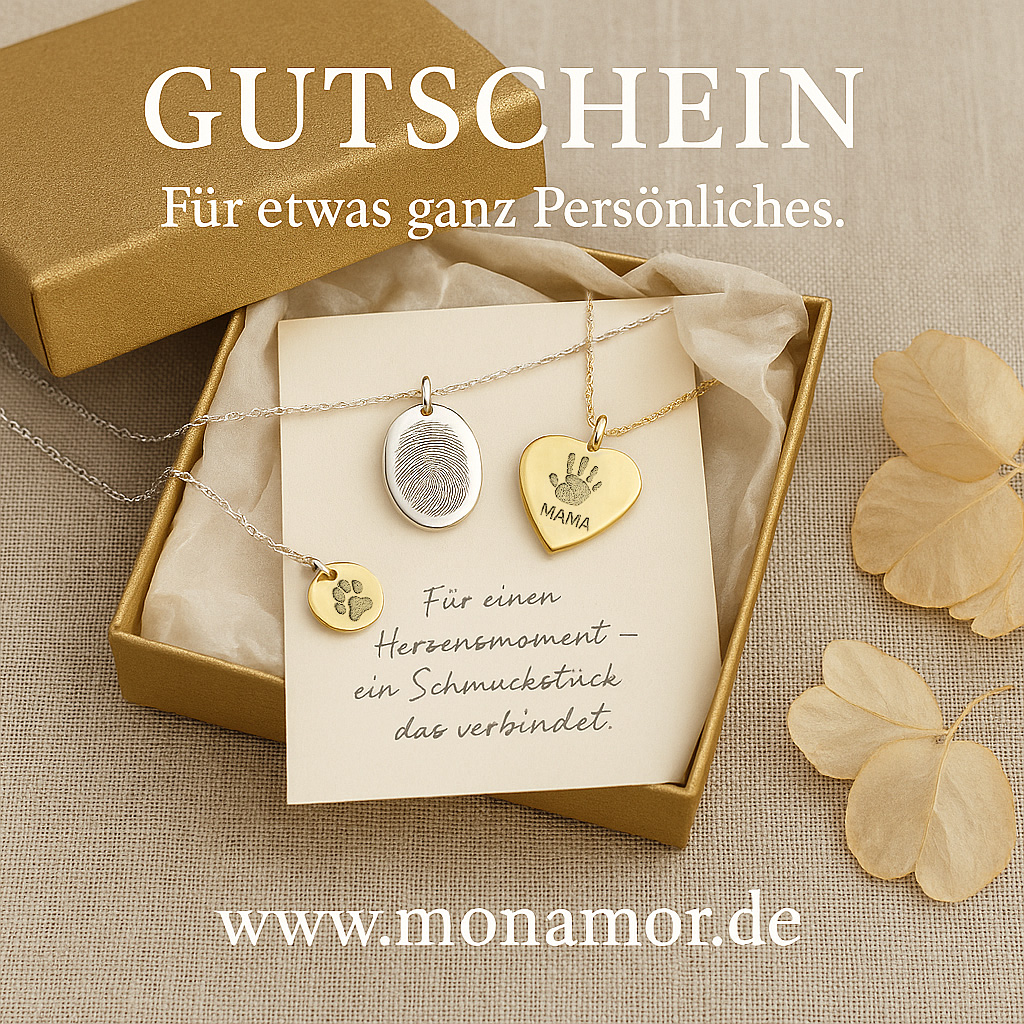
Opening keepsakes of people, animals and your loved ones.
X Close
X Close
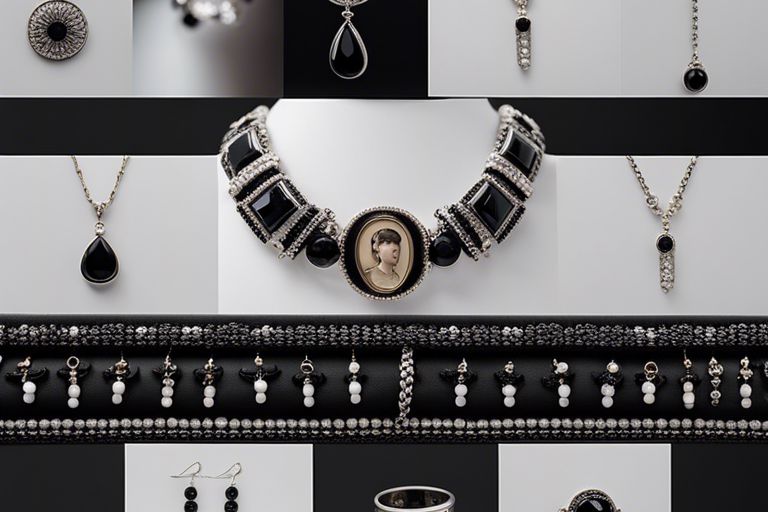
The use of mourning jewelry plays an important role in modern grief work and therapy. In this article, we will explore the significance of mourning jewelry from a historical perspective and provide an overview of the purpose and scope of this article.
Mourning jewelry has a long history and has been used in various cultures and eras as an expression of grief. Even in antiquity, mourning jewelry was made from special materials to honor the deceased and comfort the bereaved. Over time, the symbolism and use of mourning jewelry have changed, but its significance as a means of processing loss and grief has remained in many cultures.
The purpose of this article is to highlight the importance of mourning jewelry in modern grief work and therapy and to provide insight into various forms and traditions of mourning jewelry. We will explore the role of mourning jewelry in coping with grief and show how mourning jewelry can serve as a supportive function for both those affected and therapists.
We will also delve into the artistic and creative dimension of mourning jewelry and discuss how certain materials and designs can have a positive therapeutic effect. Furthermore, we will address current trends and developments in the field of mourning jewelry and provide an outlook on future developments in grief work.
Grief work is an important part of psychological therapy and modern grief management. In this process, the emotional and psychological effects of losing a loved one are addressed. Grief work can help process pain, develop new perspectives, and reshape life after loss. It is important that grief work is carried out individually and empathetically to meet the needs of the grieving person.
There are various theories of grief work that deal with the process of grief management and the associated emotions and behaviors. A well-known theory is that of the Swiss psychiatrist Elisabeth Kübler-Ross, who describes five stages of grief: denial, anger, bargaining, depression, and acceptance. Another theory is that of psychologist William Worden, who defines four tasks of mourning: accepting the reality of the loss, experiencing the pain of the loss, adjusting to a life without the deceased, and forming a more emotionally stable relationship with the deceased.
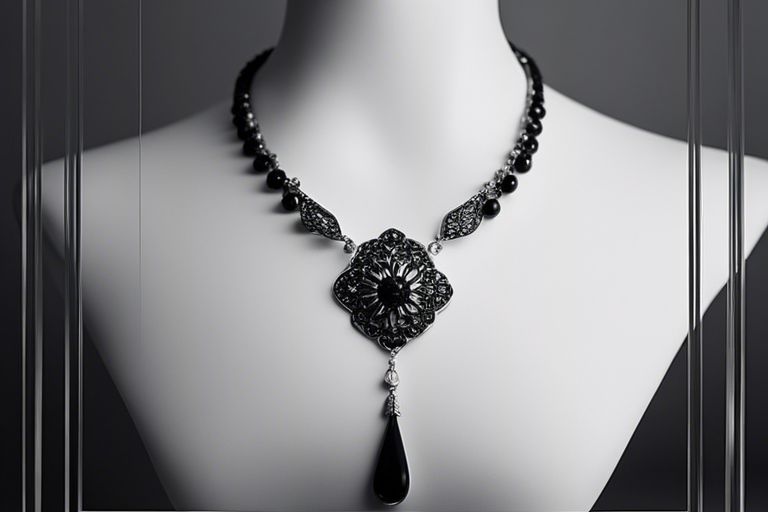
Symbolic objects play an important role in grief work. They serve to preserve memories of the deceased and to feel connected to them. Typical symbolic objects include mourning jewelry such as mourning bracelets, mourning necklaces, and mourning rings, which have emotional significance and are often engraved with the name or initials of the deceased. These objects can support grieving people in the process of coping with grief and provide comfort.
Several studies have shown that symbolic objects such as mourning jewelry can have a positive effect on the grieving process by providing a concrete way to express emotions and process loss. However, it is important that the selection and use of such objects are done individually and empathetically to meet the needs and emotional state of the grieving person.
Mourning jewelry has gained significant importance in modern society. The use of jewelry for coping with grief has evolved over time and is now an integral part of modern grief work and therapy.
The development of mourning jewelry has undergone a significant change over time. In the past, mourning jewelry was primarily worn as a symbol of grief to express connection with the deceased. Today, the meaning of mourning jewelry has expanded to include the possibility of keeping the memory of the deceased alive in a personal and individual way. The change in mourning jewelry also reflects changes in modern society, where individual expression and personal mourning rituals are gaining importance.
Matching products on the topic
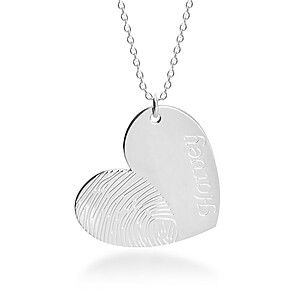
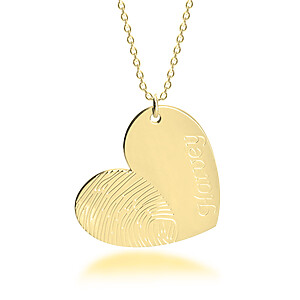
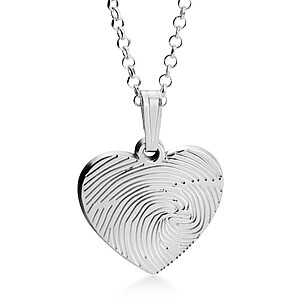
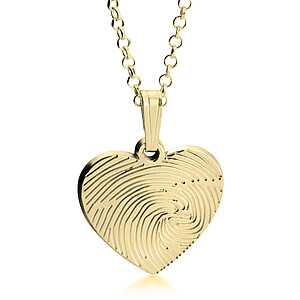
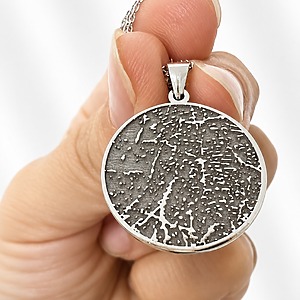
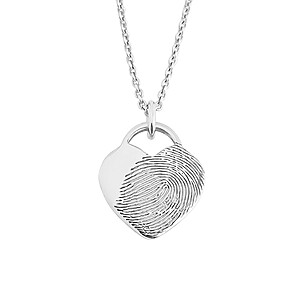
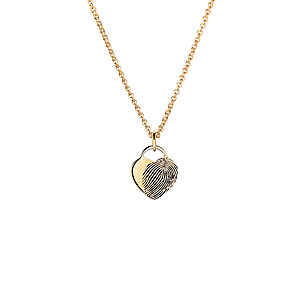
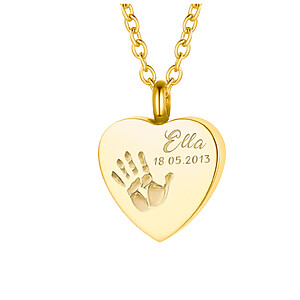
ALWAYS AT HEART - Heart necklace with original 3D fingerprint & individual engraving
 925 rhodium-plated silver
 Gold plated 24k
 Rose gold
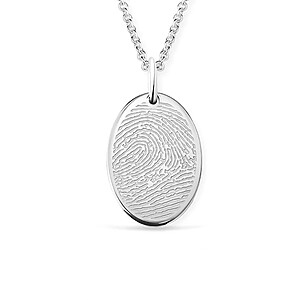
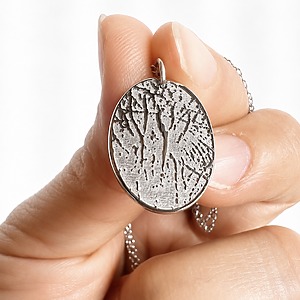
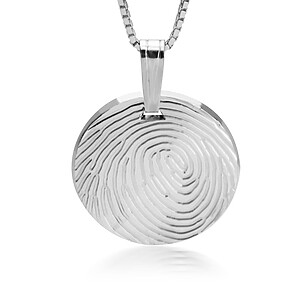
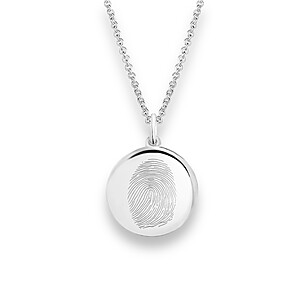
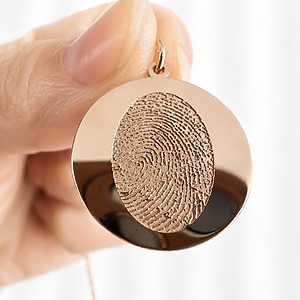
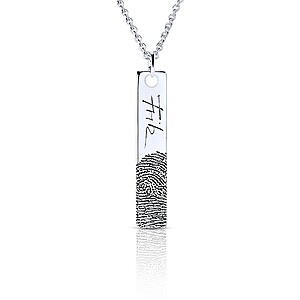
KEEPSAKE - Necklace with original fingerprint engraving memorial jewelry
925 rhodium-plated silver
 Gold plated 18K
Rose gold
Gold plated 18K
Rose gold
HEART LEAF - Heart necklace with original 3D fingerprint engraving
925 rhodium-plated silver
Gold plated 18K
Rose gold
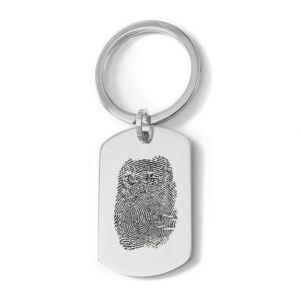
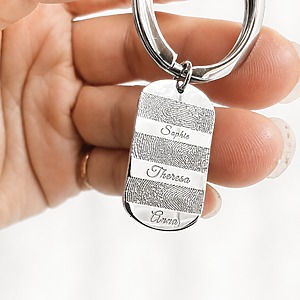
LUCKY CHARM - Keychain with individual 3D fingerprint & optional name
 Stainless steel 304
925 rhodium-plated silver
Gold plated 18K
Rose gold
Stainless steel 304
925 rhodium-plated silver
Gold plated 18K
Rose gold
MEMENTO Touch - Necklace with original 3D fingerprint engraving
925 rhodium-plated silver
Gold plated 18K
Rose gold
Stainless steel 304
925 rhodium-plated silver
Gold plated 18K
Rose gold
MEMENTO Fingertip - Necklace with original 3D fingerprint engraving
925 rhodium-plated silver
Gold plated 18K
Rose gold
925 rhodium-plated silver
Gold plated 18K
Rose gold
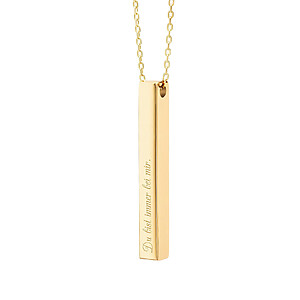
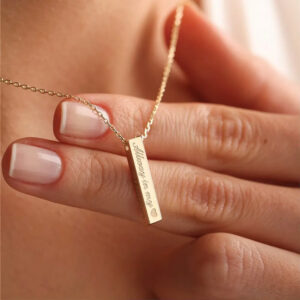
BAR - Urn ash pendant with personalized text engraving handwritten or original signature
Stainless steel 304
925 rhodium-plated silver
Gold plated 18K
Rose gold
HEARTBEAT Fingertip - Heart necklace with original 3D fingerprint engraving & individual engraving
925 rhodium-plated silver
Gold plated 18K
Rose gold
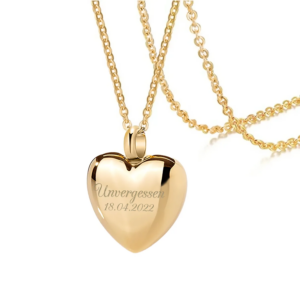
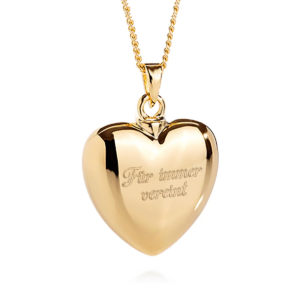
HEART ASH - Stainless steel urn necklace with individual engraving
925 rhodium-plated silver
 Silver Look
Gold plated 18K
Rose gold
925 rhodium-plated silver
Gold plated 18K
Rose gold
Silver Look
Gold plated 18K
Rose gold
925 rhodium-plated silver
Gold plated 18K
Rose gold
The use of mourning jewelry in therapy and grief work offers various possibilities for supporting and processing grief. Conscious handling of mourning jewelry can help express emotions and find a personal expression of grief. Furthermore, mourning jewelry can also serve as a conversation starter to discuss loss and grief in therapeutic settings. The individual design of mourning jewelry allows grieving individuals to actively contribute to their own grief management and maintain a connection with the deceased.
You can find more information on the uses of mourning jewelry in therapy and grief work in our detailed guide, which highlights various creative approaches and interventions with mourning jewelry.
The practical application of mourning jewelry in modern grief work and therapy plays a crucial role. It’s not just about the aesthetic aspect, but also about the therapeutic effect achieved through the jewelry.
In the design and selection of mourning jewelry, it is important to address the individual needs of the grieving person. Various materials, colors, and symbols can play an important role in making the jewelry personal and meaningful. Through the conscious selection and design of the jewelry, a deep emotional connection to the deceased can be established, which can have a therapeutic effect on the grieving.
The design and selection of mourning jewelry is a sensitive process that requires empathy and creative sensibility. It’s about designing the jewelry in such a way that it is not only aesthetically pleasing but also has deep emotional meaning for the grieving person. It is important to consider individual preferences, cultural backgrounds, and personal symbols to create unique and therapeutically effective jewelry.
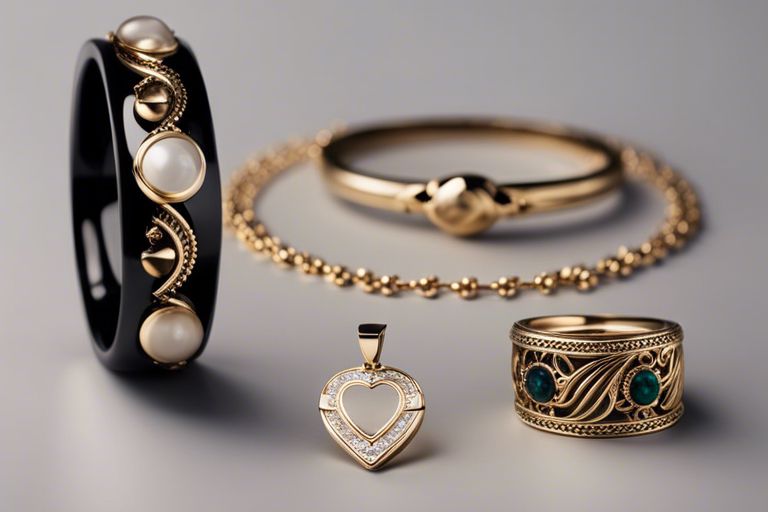
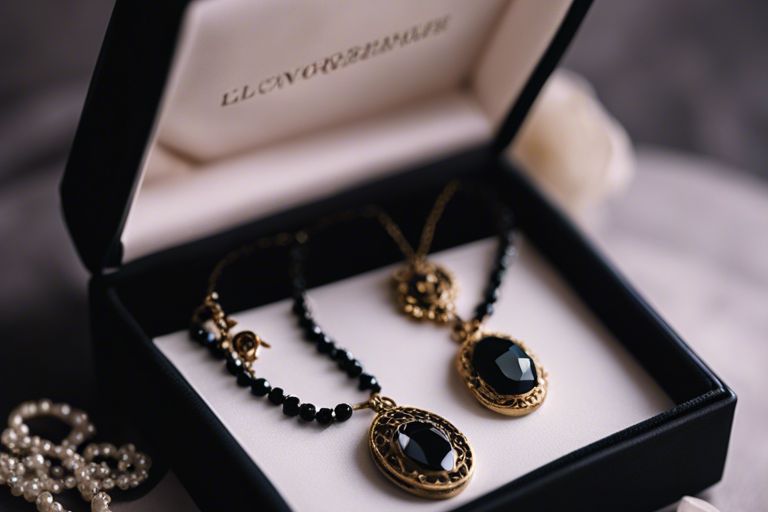
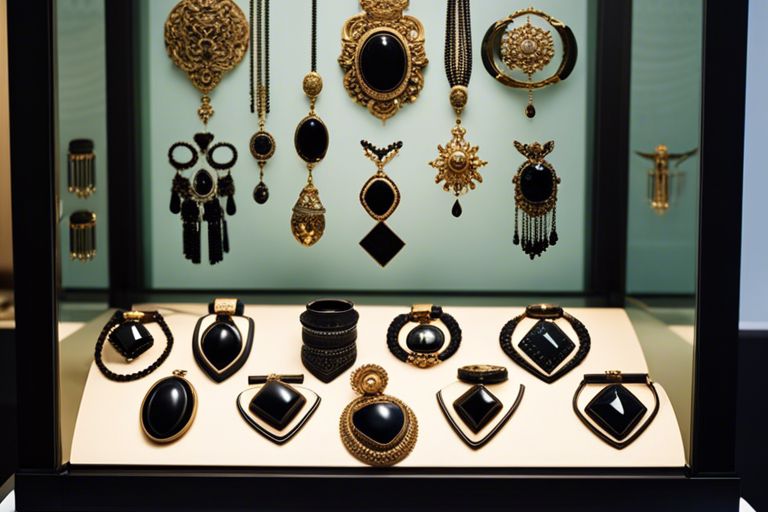
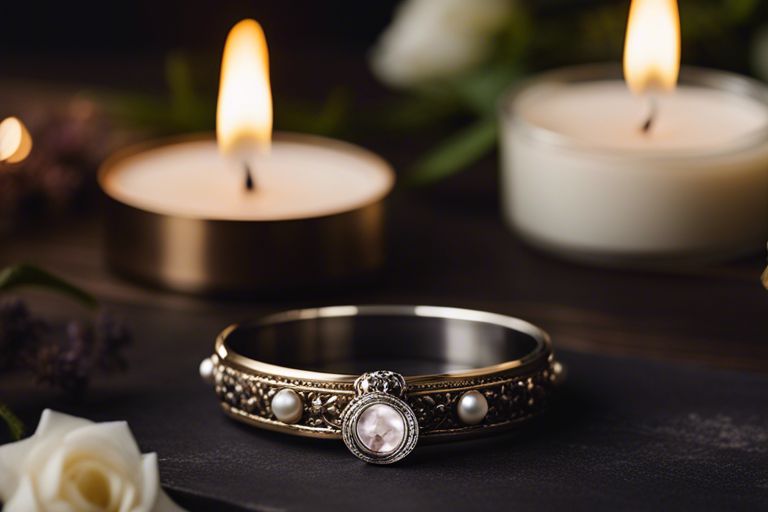
By selecting materials such as gemstones, pearls, and individual pendants, mourning jewelry can become a personal keepsake that provides comfort and supports the grieving in their process. The conscious design and selection of the jewelry can have a positive impact on the grieving process and support the path to healing.
The case studies from therapeutic practice illustrate the effective application of mourning jewelry in modern grief work. They show how individually designed jewelry can help support grieving individuals in their processing and provide comfort. The authentic testimonials clearly demonstrate how profound the therapeutic effect of lovingly designed mourning jewelry can be.
The case studies also illustrate how diverse the needs and preferences of grieving individuals are, and how custom-made mourning jewelry can positively influence individual processes. They offer valuable insights into the many ways mourning jewelry can be used as a therapeutic tool to help and accompany grieving individuals on their journey.
Further details on the case studies from therapeutic practice show how the selection and design of mourning jewelry, in conjunction with empathetic support, can make an important contribution to coping with grief. The vivid examples illustrate the power and positive influence of individually designed mourning jewelry on the grieving process.
The use of mourning jewelry in modern grief work and therapy has proven to be extremely effective. Through the use of symbolic pieces of jewelry, grieving individuals were able to find a meaningful expression for their emotions and initiate a process of healing and comfort. The diverse applications of mourning jewelry, whether in the form of remembrance jewelry, mourning rings, or specially crafted pieces of jewelry, offer grieving individuals a way to process their grief in an individual manner.
It is clearly recognizable that mourning jewelry can make an important contribution to the psychological support of grieving individuals. The results of this study suggest that the integration of mourning jewelry into therapeutic processes and grief counseling should be given even greater focus in the future to be able to offer grieving individuals holistic support.
The study has shown that mourning jewelry plays a significant role in modern grief work and therapy. Through the symbolic meaning of jewelry, grieving individuals were able to find a form of expression for their feelings and thus experience support in their grieving process. The variety of ways to use mourning jewelry offers individual and personal support for grieving individuals.
The results clearly demonstrate that mourning jewelry can have a positive influence on the grieving process and thus represents an important resource in grief work.
It is advisable to increasingly focus future research on how mourning jewelry can be specifically used in various therapeutic settings. Furthermore, it would be interesting to investigate the long-term effects of using mourning jewelry on the grieving process more closely and to explore possible effects on the mental health of the bereaved. The field of grief work and therapy can be enriched by further studies on mourning jewelry and its effectiveness.
Research into mourning jewelry in grief work could help to expand therapeutic possibilities and enable even more targeted support for the bereaved.
A: Accompaniment by mourning jewelry is an important part of modern grief work and therapy. Mourning jewelry can help the bereaved express their feelings and maintain a connection with their deceased loved ones.
A: Various types of mourning jewelry are used in modern grief work, including memorial jewelry such as engraved bracelets, mourning beads, and specially crafted jewelry that symbolizes the connection with the deceased.
A: Mourning jewelry can help the bereaved process their grief, as it serves as a physical reminder of the deceased and can provide comfort. It can also serve as an expression of grief and remembrance.
A: Yes, the use of mourning jewelry in grief work and therapy is sustainable, as the jewelry can be worn and preserved long-term as a keepsake and symbol of connection.
A: When selecting mourning jewelry in modern grief work, it is important to address the individual needs and preferences of the bereaved. Empathy and sensitivity in counseling are crucial to choosing the right mourning jewelry.
KEEPSAKE - Necklace with original fingerprint engraving memorial jewelry
925 rhodium-plated silver
Gold plated 18K
Rose gold
HEART LEAF - Heart necklace with original 3D fingerprint engraving
925 rhodium-plated silver
Gold plated 18K
Rose gold
LUCKY CHARM - Keychain with individual 3D fingerprint & optional name
Stainless steel 304
925 rhodium-plated silver
Gold plated 18K
Rose gold
Stainless steel 304
925 rhodium-plated silver
Gold plated 18K
Rose gold
MEMENTO Fingertip - Necklace with original 3D fingerprint engraving
925 rhodium-plated silver
Gold plated 18K
Rose gold
925 rhodium-plated silver
Gold plated 18K
Rose gold
Sprache auswählen: