Medallions reduced by up to €50!
All lockets CHEAPER ✨
Wear your most beautiful memories close to you.
Opening keepsakes of people, animals and your loved ones.
X Close
X Close
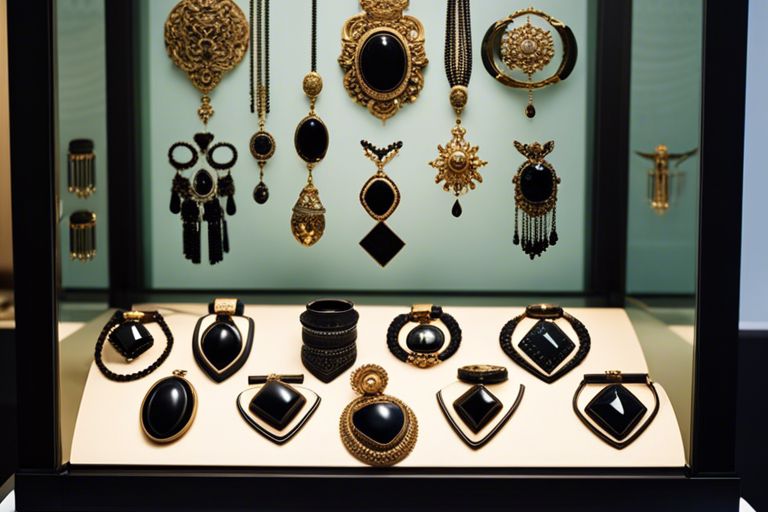
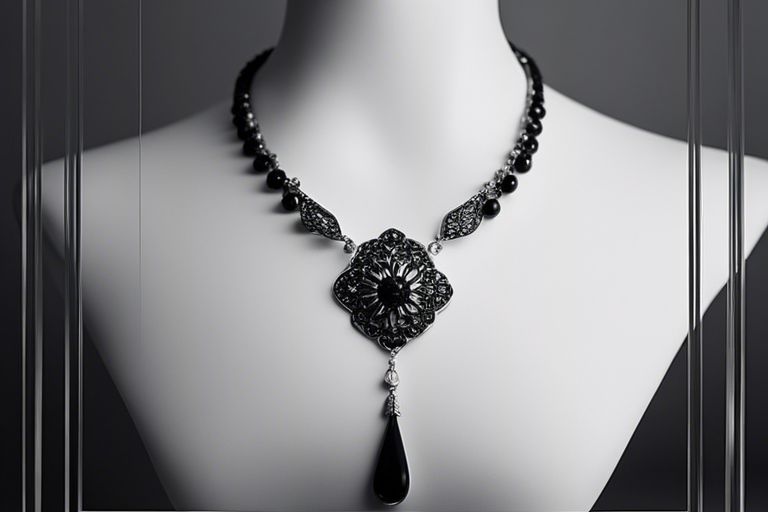
Exquisite mourning jewelry plays a significant role in memorials and museums worldwide. These special pieces of jewelry serve not only as decoration but also carry deep symbolic meaning, commemorating important historical events. In many cases, they are valuable artifacts made from various materials, telling a moving story of loss and remembrance. However, in addition to their cultural and aesthetic significance, the presentation and preservation of mourning jewelry also present challenges and ethical considerations that must be taken into account. This blog post takes a closer look at the fascinating world of mourning jewelry in memorials and museums.
Mourning jewelry has a long and fascinating history, dating back to antiquity. The way people deal with grief and death has changed over the centuries, and mourning jewelry reflects these changes.
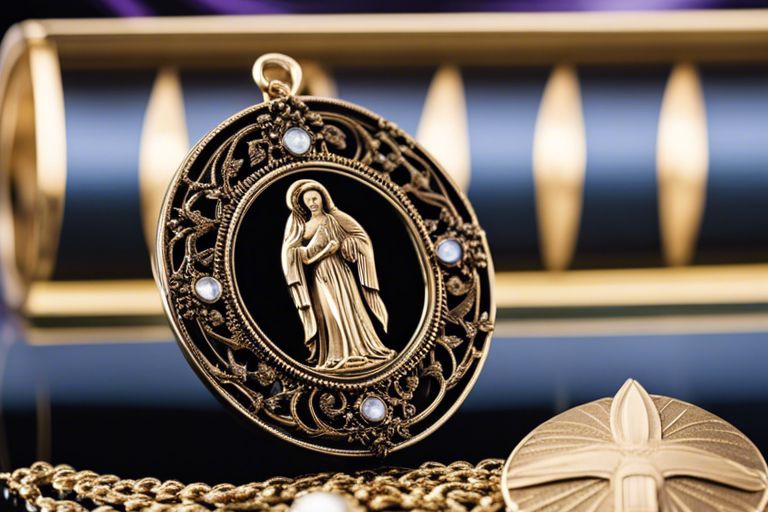
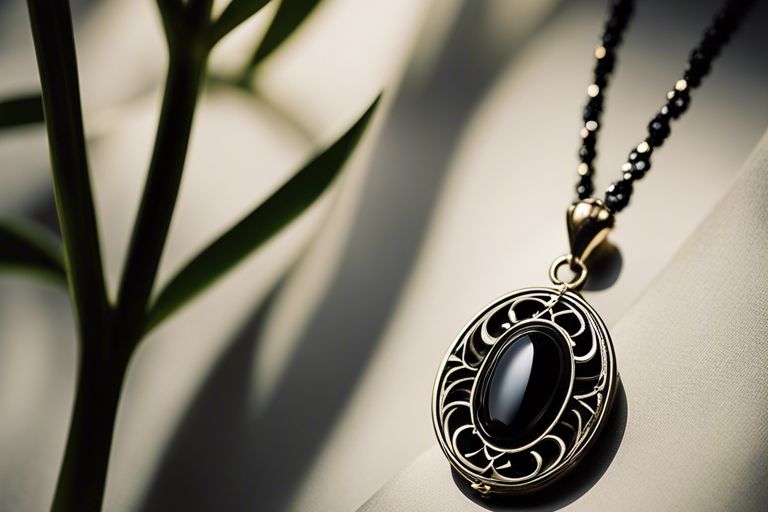
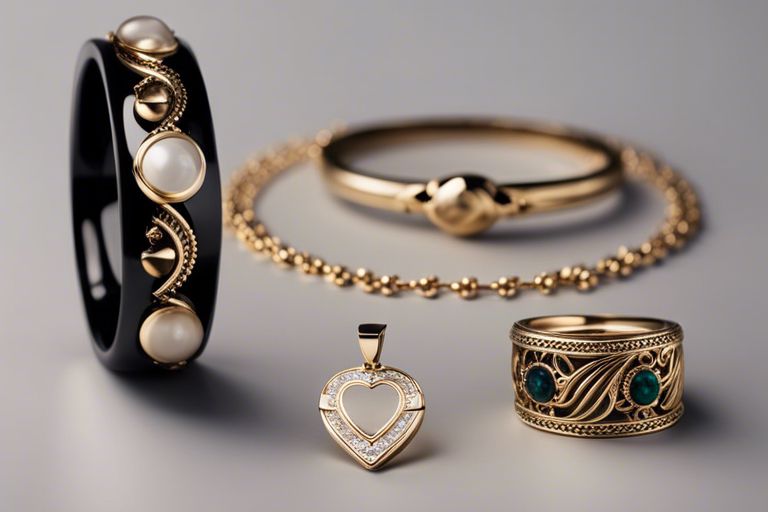
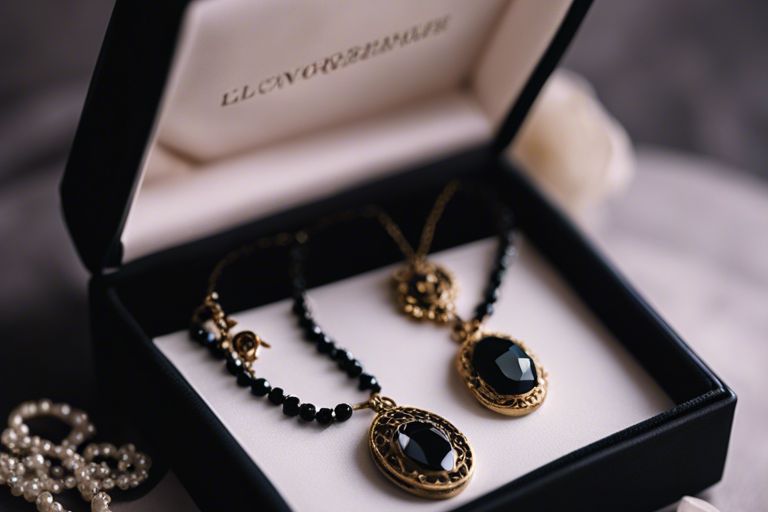
In antiquity, mourning jewelry played an important role in funeral rituals and the remembrance of the deceased. Mourning jewelry was used to symbolize the connection between the living and the dead, and to honor the deceased. Materials such as onyx, pearls, and black stones were particularly popular.
Over the centuries, the meaning of mourning jewelry has changed significantly. While in antiquity it primarily served to express connection with the deceased, in later centuries an aesthetic and symbolic dimension developed. Mourning jewelry became a means to publicly display grief and loss, and at the same time to demonstrate the social position and status of the mourners.
With the advent of new materials and techniques in the Victorian era, mourning jewelry experienced a heyday. At this time, hair of the deceased was incorporated into jewelry and complex symbolisms such as mourning ribbons and grave motifs emerged.
The Victorian era had a decisive influence on the development of mourning jewelry. The strict etiquette and extended mourning periods of this time led to a veritable culture of mourning. Mourning jewelry became a central part of social and religious ritual and served as an expression of deep sympathy and respect for the deceased.
Victorians developed complex rules and symbolisms in dealing with mourning jewelry, and a veritable market for specialized mourning jewelry emerged. The focus was on solidarity and the expression of grief, which was also reflected in the design and material selection of the jewelry.
This era significantly shaped the idea of appropriate mourning jewelry and has left its mark to this day on how we deal with grief and remembrance.
Mourning jewelry in memorials plays an important role in remembering those who lost their lives. This jewelry not only serves as a decorative element but also has deep symbolic meaning, which can include various materials and symbols.
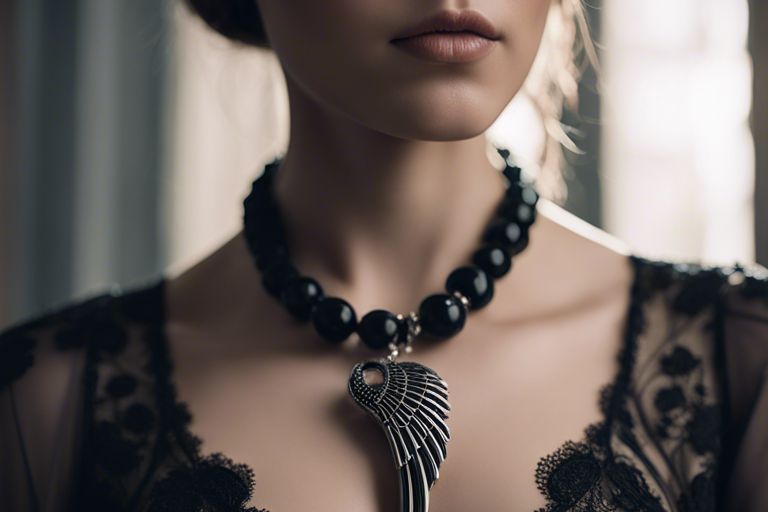
Mourning jewelry in memorial sites is often made from materials such as stone, metal, or glass, which have a strong and durable quality. Symbols like angels, crosses, flowers, or doves are frequently used in this jewelry to emphasize spiritual and emotional meaning. These symbols are intended to offer comfort and hope while simultaneously commemorating the loss.
Matching products on the topic
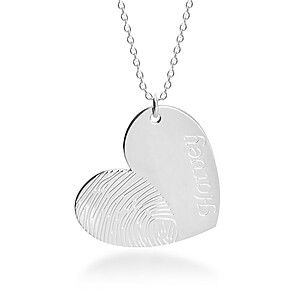
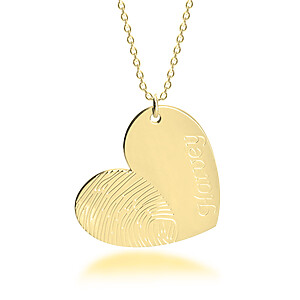
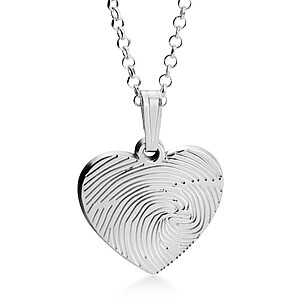
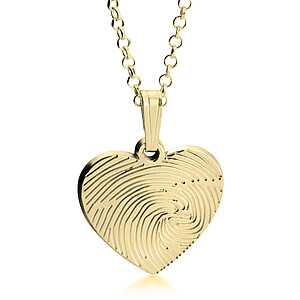
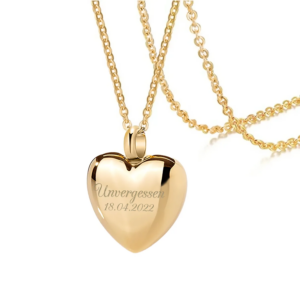
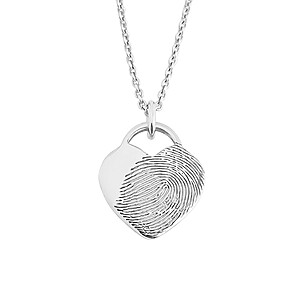
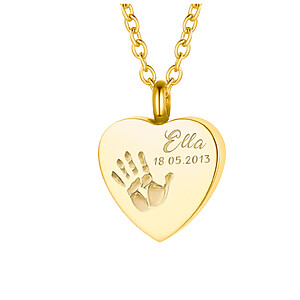
ALWAYS AT HEART - Heart necklace with original 3D fingerprint & individual engraving
 925 rhodium-plated silver
 Gold plated 24k
 Rose gold
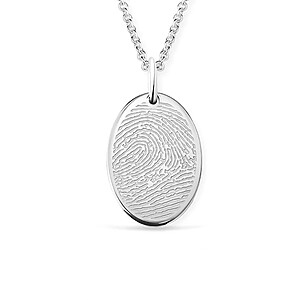
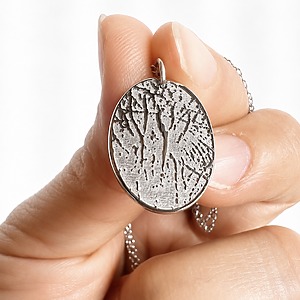
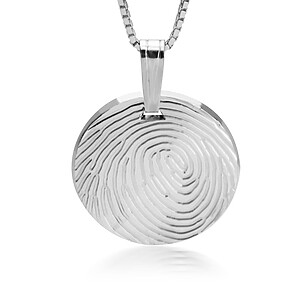
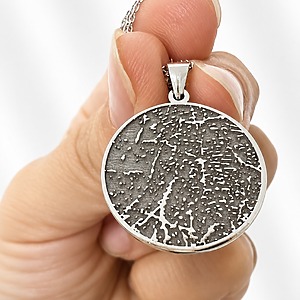
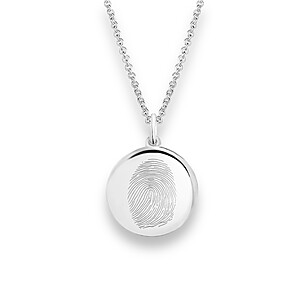
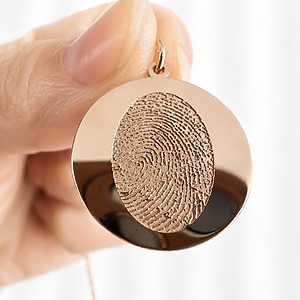
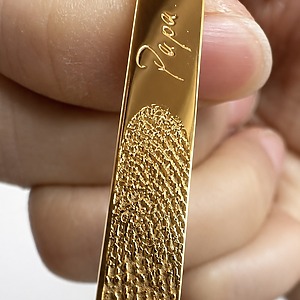
KEEPSAKE - Necklace with original fingerprint engraving memorial jewelry
925 rhodium-plated silver
 Gold plated 18K
Rose gold
Gold plated 18K
Rose gold
HEART LEAF - Heart necklace with original 3D fingerprint engraving
925 rhodium-plated silver
Gold plated 18K
Rose gold
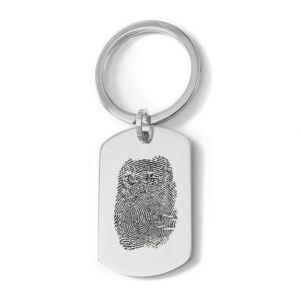
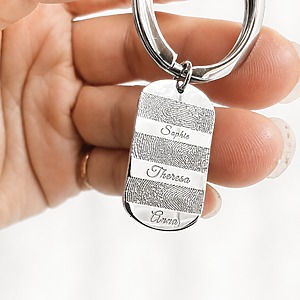
LUCKY CHARM - Keychain with individual 3D fingerprint & optional name
 Stainless steel 304
925 rhodium-plated silver
Gold plated 18K
Rose gold
Stainless steel 304
925 rhodium-plated silver
Gold plated 18K
Rose gold
MEMENTO Touch - Necklace with original 3D fingerprint engraving
925 rhodium-plated silver
Gold plated 18K
Rose gold
Stainless steel 304
925 rhodium-plated silver
Gold plated 18K
Rose gold
MEMENTO Fingertip - Necklace with original 3D fingerprint engraving
925 rhodium-plated silver
Gold plated 18K
Rose gold
925 rhodium-plated silver
Gold plated 18K
Rose gold
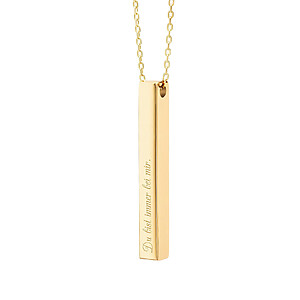
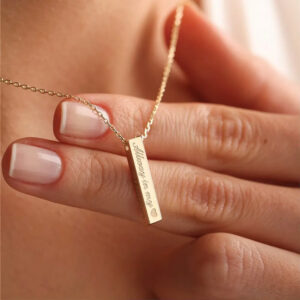
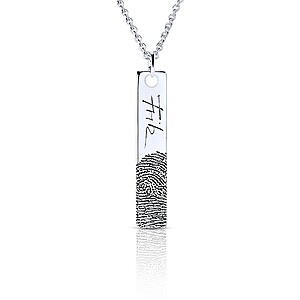
BAR - Urn ash pendant with personalized text engraving handwritten or original signature
Stainless steel 304
925 rhodium-plated silver
Gold plated 18K
Rose gold
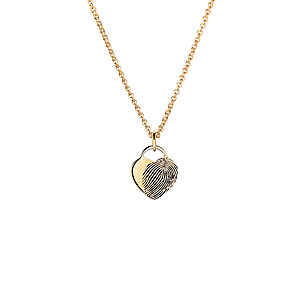
HEARTBEAT Fingertip - Heart necklace with original 3D fingerprint engraving & individual engraving
925 rhodium-plated silver
Gold plated 18K
Rose gold
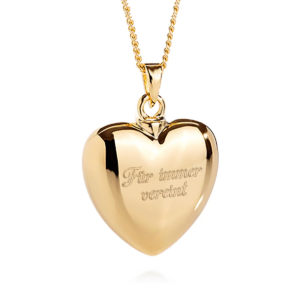
HEART ASH - Stainless steel urn necklace with individual engraving
925 rhodium-plated silver
 Silver Look
Gold plated 18K
Rose gold
925 rhodium-plated silver
Gold plated 18K
Rose gold
Silver Look
Gold plated 18K
Rose gold
925 rhodium-plated silver
Gold plated 18K
Rose gold
Some of the most significant memorial sites worldwide have impressive collections of mourning jewelry, offering visitors insight into the diversity of design and symbolism. The Holocaust Memorial Museum in Washington, D.C., and the National September 11 Memorial & Museum in New York are just two examples of memorial sites with moving collections of mourning jewelry that honor the tragedies and the memory of them.
Further information on selected memorial sites and their collections of mourning jewelry provides deep insights into the diverse cultural expressions and the universal significance of commemorating loss and suffering. These collections help to understand and appreciate the importance of mourning jewelry in memorial sites.
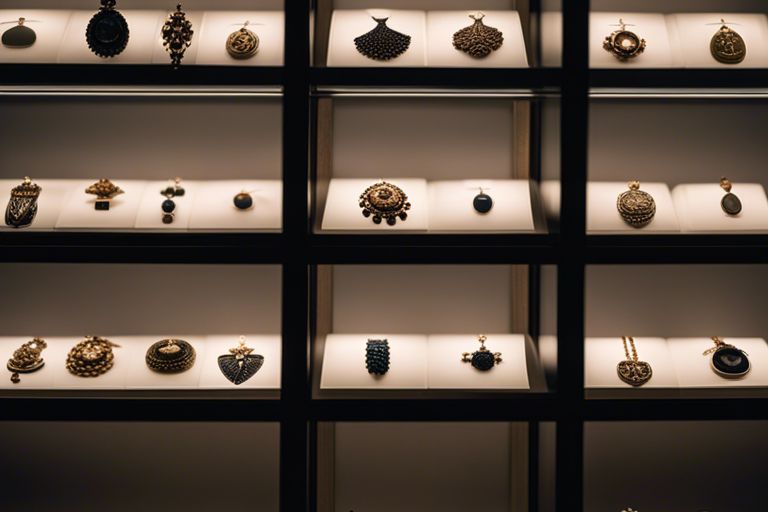
Mourning jewelry in museums plays a crucial role in the culture of remembrance and the representation of grief in various historical contexts. Museums have the responsibility to preserve, present, and develop educational concepts for mourning jewelry to foster understanding and appreciation for these meaningful objects.
The preservation and presentation of mourning jewelry in museums require special care and attention. It is important that the objects are appropriately stored and conserved to maintain their material integrity. At the same time, museums must ensure that mourning jewelry is presented in a respectful and dignified manner that promotes an understanding of the cultural significance and emotional aspects of these objects.
The development of educational concepts and outreach strategies for mourning jewelry in museums is crucial to provide visitors with a deeper understanding of the historical, cultural, and emotional dimensions of these objects. Museums should offer interactive programs, guided tours, and educational materials that allow visitors to engage with mourning jewelry and reflect on its significance in the context of history and culture.
With a sensitive and informed approach, museums can help raise awareness of cultural diversity and universal human experiences related to grief and remembrance. By conveying empathy and respect, museums can have a positive impact on visitors and contribute to sensitizing them to grief-related topics.
In this section, we will take a closer look at some case studies of mourning jewelry in memorials and museums. We will analyze individual pieces and explore their stories to gain a deeper understanding of the meaning and use of mourning jewelry in different contexts.
The analysis of individual pieces of mourning jewelry offers fascinating insights into the individual stories and emotions associated with these objects. Each piece tells its own story, whether through the choice of materials, the inscriptions, or the artistic design. Through in-depth analysis, we can better understand the meaning of these pieces and explore the role of mourning jewelry in various historical and cultural contexts.
Interactive elements in exhibition design offer visitors the opportunity to actively engage with the topic of mourning jewelry. Through interactive displays, digital media, and experience-oriented presentations, visitors can delve deeper into the subject matter and develop a personal understanding of mourning jewelry. These interactive elements enable an immersive experience that promotes learning and reflection on the topic.
By integrating interactive elements into the exhibition design, visitors can be addressed on an emotional and intellectual level, leading to a deeper engagement with the topic of mourning jewelry. This type of exhibition design offers the opportunity to reach a broader audience and to convey the significance of mourning jewelry in different historical and cultural contexts.
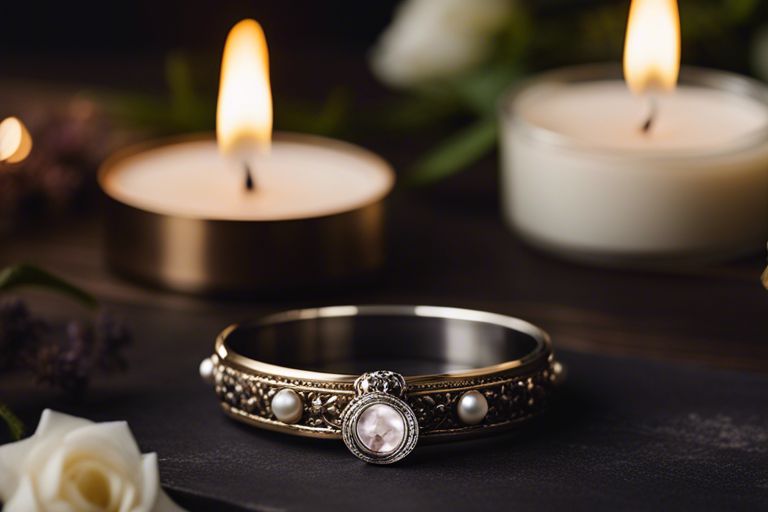
In today’s world, the culture of remembrance is gaining increasing importance. Mourning jewelry in memorials and museums plays a central role in this. Through the use of symbol-laden elements such as flowers, candles, and memorial plaques, visitors are given the opportunity to express their grief and their connection. This contributes significantly to the creation of a respectful and empathetic space for remembrance.
Nevertheless, the design of mourning jewelry also has its pitfalls. An insensitive design can hurt the feelings of visitors and impair remembrance. Therefore, it is important to design this jewelry with thoughtful empathy to maintain the appropriate ambiance.
A positive outlook is shown in the increased mindfulness and sensitivity that is increasingly gaining importance in the design of mourning jewelry in memorial sites and museums. By dealing with these sensitive topics, awareness of the importance of grief and remembrance is sharpened and the culture of remembrance is strengthened.
A: Mourning jewelry in memorial sites and museums are objects such as flowers, wreaths, and ribbons that are placed in these facilities as a sign of mourning and remembrance for the deceased.
A: Mourning jewelry serves as an expression of sympathy and respect for the deceased, as well as a symbol of remembrance and memory of their lives and achievements.
A: Memorial decorations are laid by relatives, friends, visitors, official representatives, and institutions to show their connection and respect.
A: There are often specific guidelines for the placement and type of memorial decorations to preserve the aesthetic atmosphere of the memorial or museum and to ensure the safety and flow of visitor traffic.
A: Memorial decorations are regularly maintained by the staff of the memorials and museums and renewed if necessary to preserve the dignity and respect of the memorial or museum.
KEEPSAKE - Necklace with original fingerprint engraving memorial jewelry
925 rhodium-plated silver
Gold plated 18K
Rose gold
HEART LEAF - Heart necklace with original 3D fingerprint engraving
925 rhodium-plated silver
Gold plated 18K
Rose gold
LUCKY CHARM - Keychain with individual 3D fingerprint & optional name
Stainless steel 304
925 rhodium-plated silver
Gold plated 18K
Rose gold
Stainless steel 304
925 rhodium-plated silver
Gold plated 18K
Rose gold
MEMENTO Fingertip - Necklace with original 3D fingerprint engraving
925 rhodium-plated silver
Gold plated 18K
Rose gold
925 rhodium-plated silver
Gold plated 18K
Rose gold
Sprache auswählen: