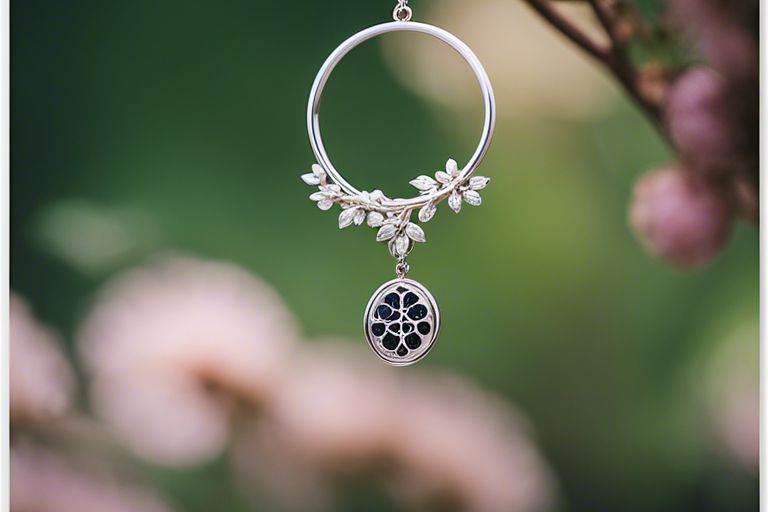
Medallions reduced by up to €50!
All lockets CHEAPER ✨
Wear your most beautiful memories close to you.
Opening keepsakes of people, animals and your loved ones.
X Close
X Close
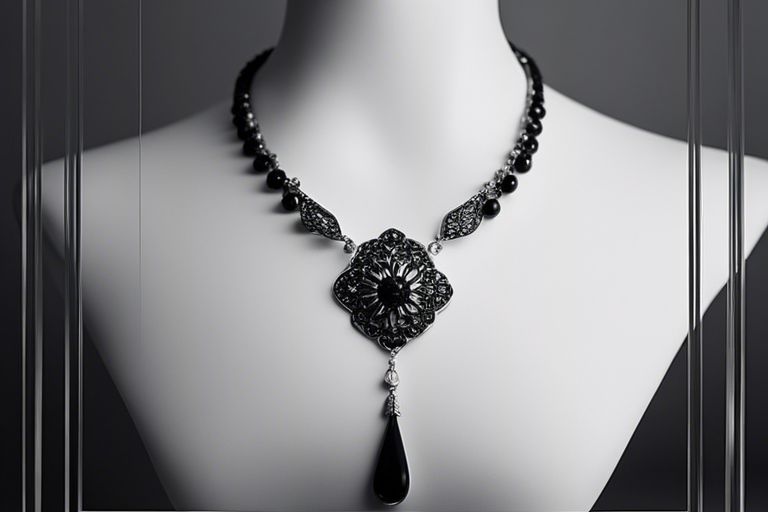
In today’s society, the way we deal with grief and mourning jewelry has changed over time. Traditional mourning jewelry, once widespread, is adapting to modern preferences and fashion trends. In this article, we will explore how traditional mourning jewelry can be adapted to today’s fashion without losing its meaning and symbolism.
Mourning jewelry has a long history and was an expression of grief and respect for the deceased in earlier cultures. In many cultures, it was customary to wear jewelry that symbolized the connection to the deceased. Traditional materials and symbols played a major role in emphasizing the meaning of the jewelry.
However, in the course of industrialized society, traditional mourning jewelry lost its importance and was partly forgotten. With increasing individualization and changes in fashion, the design of mourning jewelry also evolved to meet changing needs and preferences.
The objective of this article is to show how traditional mourning jewelry can be adapted to today’s fashion without neglecting its meaning and symbolism. To do this, we will first shed light on the historical significance of mourning jewelry and then discuss how these traditions and symbolisms can continue to exist in today’s society. Finally, we will present various approaches to adapting traditional mourning jewelry to modern fashion.
It is important to emphasize that adapting traditional mourning jewelry to today’s fashion is a sensitive matter that should be approached carefully and with respect for traditional values and symbolisms. This article aims to raise awareness of the importance of mourning jewelry and to show ways in which this tradition can be integrated into modern life.
Mourning jewelry has a long history, dating back to ancient cultures. Even in antiquity, it was common to wear jewelry to express grief and loss. Over the centuries, mourning jewelry evolved and became an integral part of mourning culture in many societies.
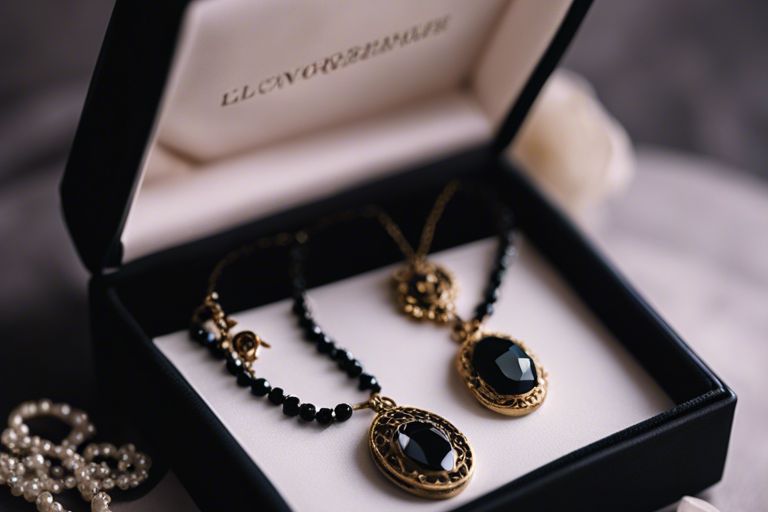
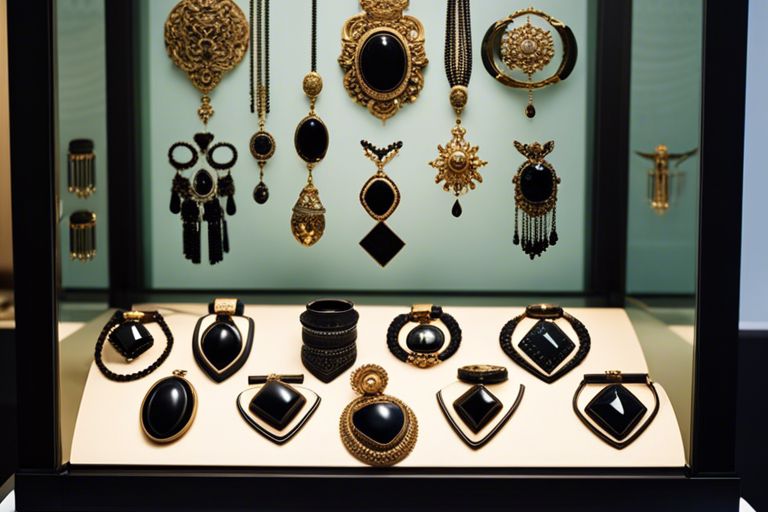
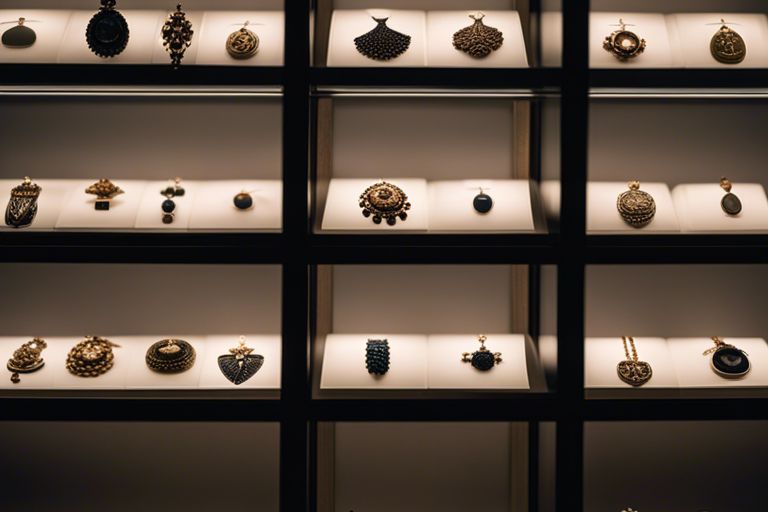
The origins of mourning jewelry can be traced back to the ancient Egyptians, Greeks, and Romans. In these cultures, jewelry made from materials such as onyx, agate, and ivory was created to comfort the bereaved and honor the deceased. In the Middle Ages, mourning jewelry was primarily made from dark materials such as jet, black pearls, and enamel. In the 19th century, mourning jewelry experienced a golden age in Europe, where it was common to wear jewelry made with the hair of the deceased.
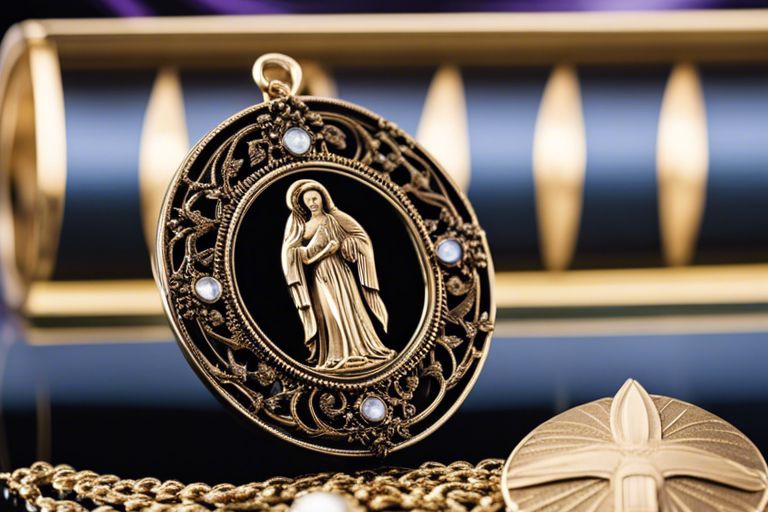
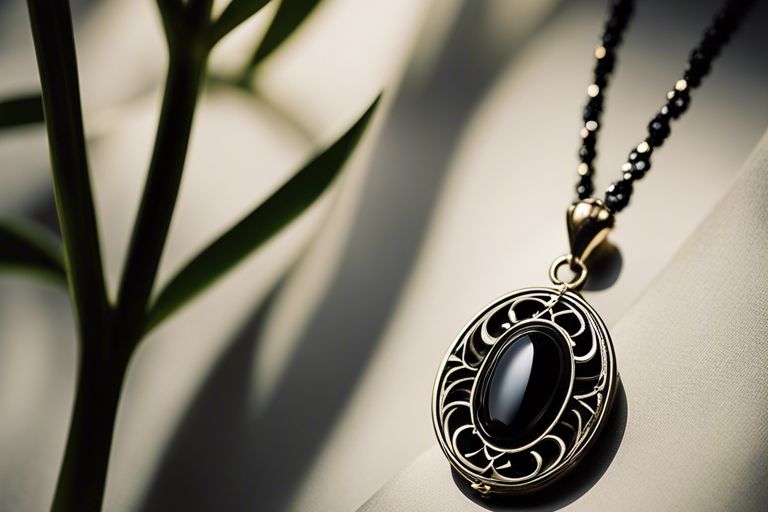
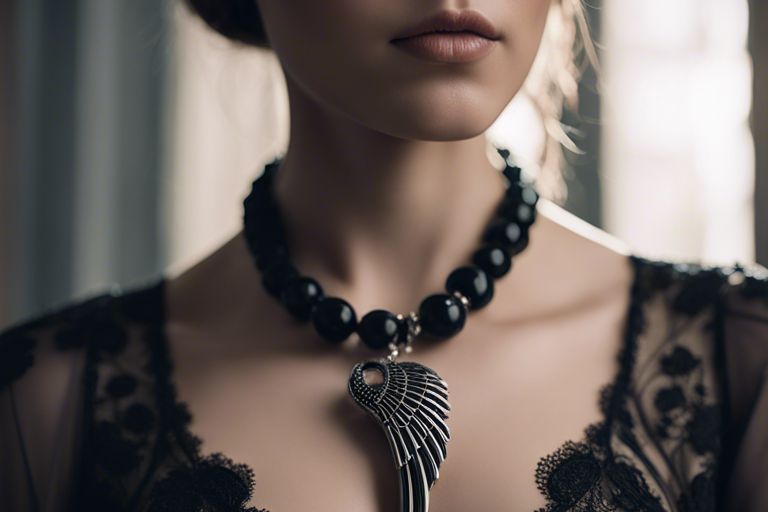
In different eras and cultures, various materials and symbols were preferred for mourning jewelry. For example, in the Victorian era, symbolism such as weeping willows, angels, crosses, and roses were popular. Materials like onyx, jet, enamel, and even pearls in dark colors were frequently used for making mourning jewelry.
Over time, trends in mourning jewelry have changed, but the meaning and purpose of the jewelry as an expression of grief and remembrance remain to this day.
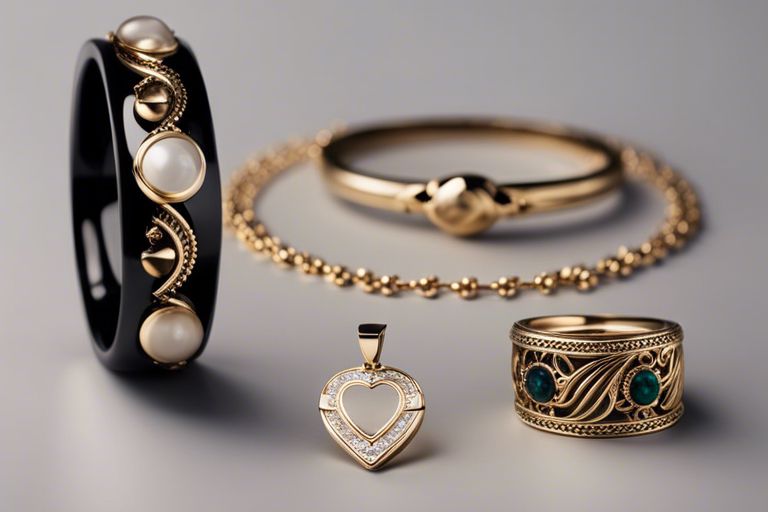
Adapting traditional mourning jewelry to modern fashion is an important step to meet the needs and desires of today’s society. It is crucial to consider current trends in jewelry design and integrate traditional elements into contemporary pieces.
Matching products on the topic
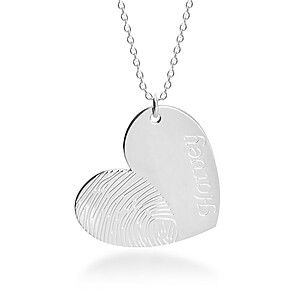
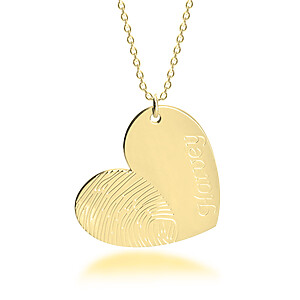
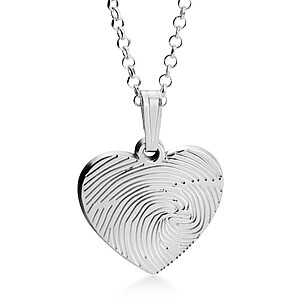
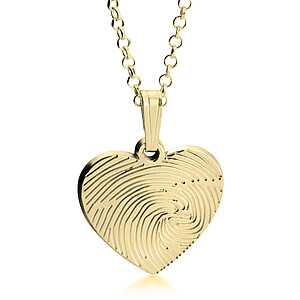
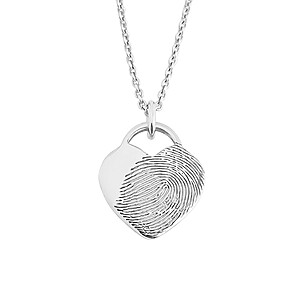
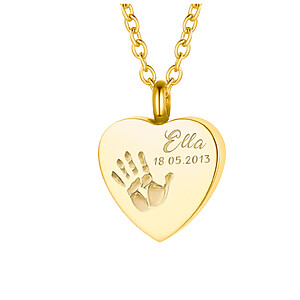
ALWAYS AT HEART - Heart necklace with original 3D fingerprint & individual engraving
 925 rhodium-plated silver
 Gold plated 24k
 Rose gold
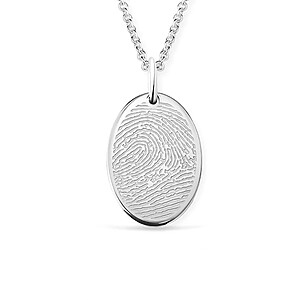
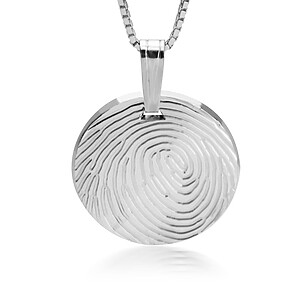
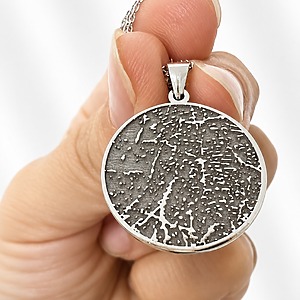
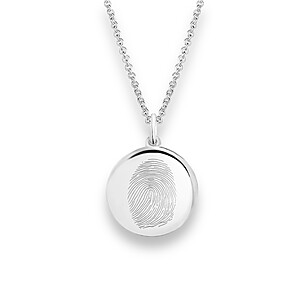
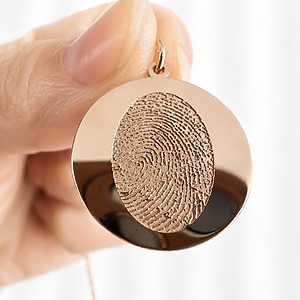
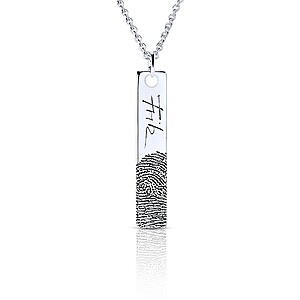
KEEPSAKE - Necklace with original fingerprint engraving memorial jewelry
925 rhodium-plated silver
 Gold plated 18K
Rose gold
Gold plated 18K
Rose gold
HEART LEAF - Heart necklace with original 3D fingerprint engraving
925 rhodium-plated silver
Gold plated 18K
Rose gold
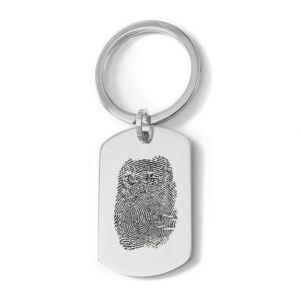
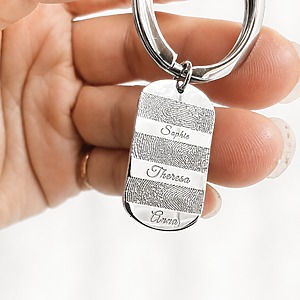
LUCKY CHARM - Keychain with individual 3D fingerprint & optional name
 Stainless steel 304
925 rhodium-plated silver
Gold plated 18K
Rose gold
Stainless steel 304
925 rhodium-plated silver
Gold plated 18K
Rose gold
MEMENTO Touch - Necklace with original 3D fingerprint engraving
925 rhodium-plated silver
Gold plated 18K
Rose gold
Stainless steel 304
925 rhodium-plated silver
Gold plated 18K
Rose gold
MEMENTO Fingertip - Necklace with original 3D fingerprint engraving
925 rhodium-plated silver
Gold plated 18K
Rose gold
925 rhodium-plated silver
Gold plated 18K
Rose gold
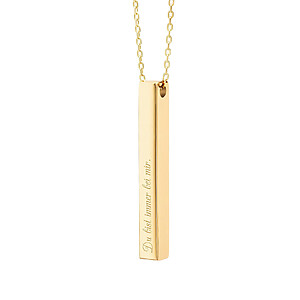
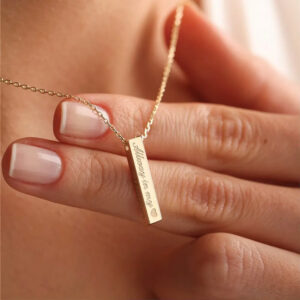
BAR - Urn ash pendant with personalized text engraving handwritten or original signature
Stainless steel 304
925 rhodium-plated silver
Gold plated 18K
Rose gold
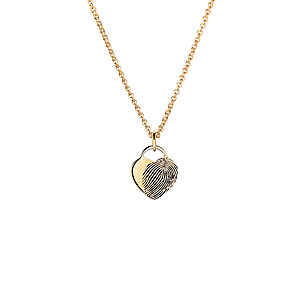
HEARTBEAT Fingertip - Heart necklace with original 3D fingerprint engraving & individual engraving
925 rhodium-plated silver
Gold plated 18K
Rose gold
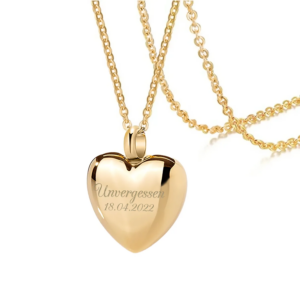
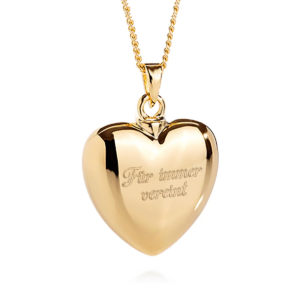
HEART ASH - Stainless steel urn necklace with individual engraving
925 rhodium-plated silver
 Silver Look
Gold plated 18K
Rose gold
925 rhodium-plated silver
Gold plated 18K
Rose gold
Silver Look
Gold plated 18K
Rose gold
925 rhodium-plated silver
Gold plated 18K
Rose gold
Modern trends in jewelry design show a preference for minimalist and versatile pieces. Personalized jewelry and the use of natural materials are also gaining importance. These trends pose a challenge that traditional mourning jewelry manufacturers must overcome to remain relevant.
The integration of traditional elements into contemporary jewelry pieces makes it possible to preserve the symbolism and meaning of mourning jewelry, while simultaneously using modern designs and materials. Through the skillful combination of tradition and modernity, unique and appealing pieces can be created that meet the needs of today’s consumers.
For more information on integrating traditional elements into contemporary pieces, please refer to our extensive catalog, where we present the latest designs and styles that combine both tradition and modernity.
In this chapter, we will look at two case studies that show how traditional mourning jewelry can be adapted to today’s fashion. We will examine both the revival of historical pieces and the work of designers and brands at the intersection of tradition and modernity.
The revival of historical mourning jewelry is a trend that is gaining increasing attention in the fashion industry. More and more people are looking for unique and authentic pieces that tell a story. For this purpose, old mourning jewelry, such as Victorian pendants or mourning rings, are reinterpreted and integrated into contemporary designs. This revival not only preserves traditional mourning jewelry but also makes a statement for sustainability and individuality.
Various designers and brands have committed themselves to merging traditional mourning jewelry with modern elements to create contemporary collections. They use innovative materials and techniques to reinterpret traditional symbols and motifs. The result is unique pieces that preserve the elegance and meaning of traditional mourning jewelry, but are at the same time contemporary and appealing to modern consumers.
Further information on the designers and brands at the intersection of tradition and modernity, as well as their unique approaches, can be found in the following sections. Stay tuned to learn more about the remarkable work of these players in the mourning jewelry industry.
In the course of this investigation, it was found that the adaptation of traditional mourning jewelry to today’s fashion plays a significant role. It is important that mourning jewelry also finds its place in modern society and meets the needs of people.
The meaning of mourning jewelry has changed over time, but its relevance is still high. Mourning jewelry not only serves as an expression of grief but also as a remembrance of the deceased. It offers comfort to the bereaved and can play an important role in the grieving process. The adaptation of traditional mourning jewelry to today’s fashion allows people to express their grief in an individual way while dressing stylishly.
Mourning jewelry will continue to evolve in the future to meet the changing needs of society. It is expected that traditional elements will be combined with modern designs to appeal to a wider target group. In addition, the use of sustainable materials and the integration of technology into mourning jewelry could represent future trends.
With advances in the fashion and jewelry industry, it will be exciting to see how mourning jewelry will develop in the coming years and what innovative concepts will come onto the market.
A: Yes, traditional mourning jewelry can be adapted to today’s fashion to reflect personal style and preferences, while maintaining respect and tradition.
A: Traditional mourning jewelry can be adapted by using contemporary materials, designs, and colors to meet current fashion trends without losing its meaning and occasion.
A: Yes, it is absolutely appropriate to customize traditional mourning jewelry to suit the personal taste and wishes of the deceased or the family, as long as tradition and meaning are respected.
A: The meaning of traditional mourning jewelry remains even when adapted to modern fashion, as it is about showing remembrance and appreciation for the deceased, even if this is done through contemporary designs and materials.
A: Yes, there are professional jewelers and designers who have experience in adapting traditional mourning jewelry to modern fashion and can help create an individual and respectful piece of jewelry.
KEEPSAKE - Necklace with original fingerprint engraving memorial jewelry
925 rhodium-plated silver
Gold plated 18K
Rose gold
HEART LEAF - Heart necklace with original 3D fingerprint engraving
925 rhodium-plated silver
Gold plated 18K
Rose gold
LUCKY CHARM - Keychain with individual 3D fingerprint & optional name
Stainless steel 304
925 rhodium-plated silver
Gold plated 18K
Rose gold
Stainless steel 304
925 rhodium-plated silver
Gold plated 18K
Rose gold
MEMENTO Fingertip - Necklace with original 3D fingerprint engraving
925 rhodium-plated silver
Gold plated 18K
Rose gold
925 rhodium-plated silver
Gold plated 18K
Rose gold
Sprache auswählen: