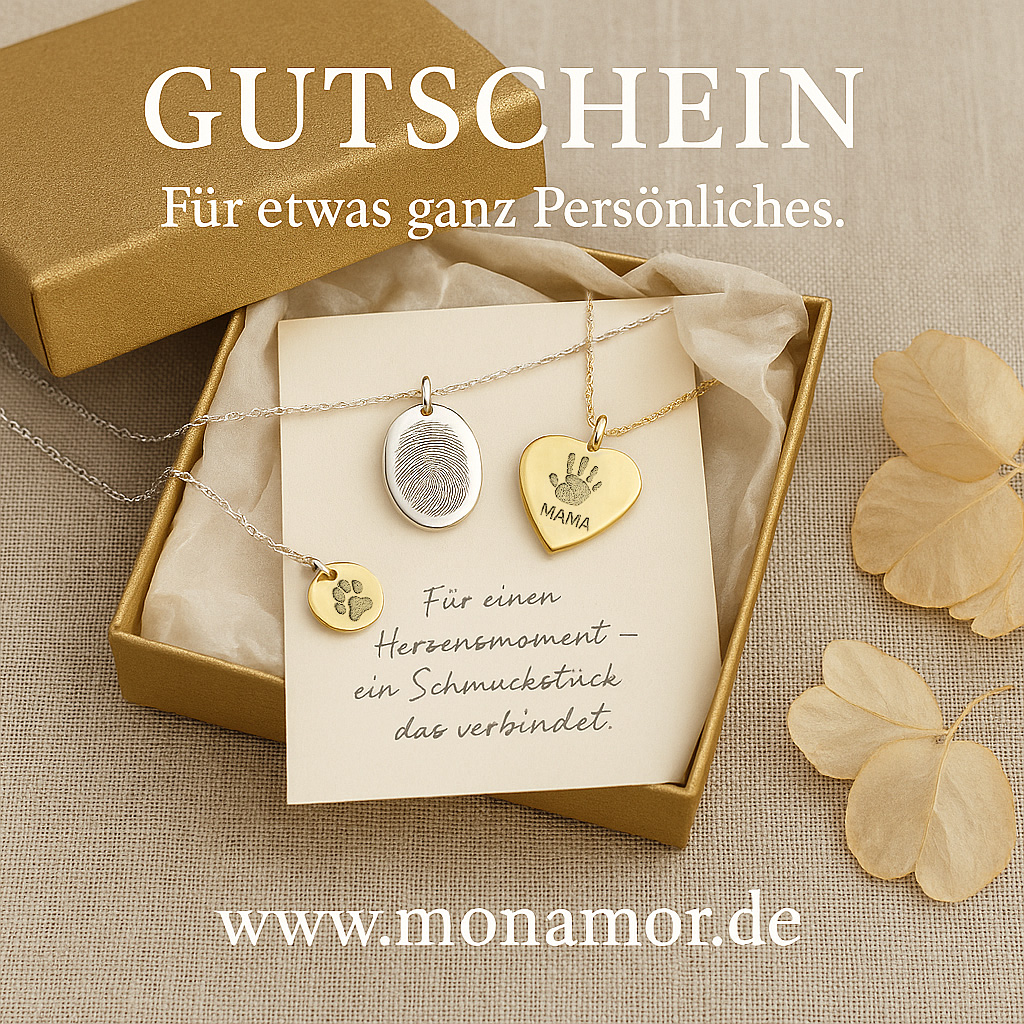
Medallions reduced by up to €50!
All lockets CHEAPER ✨
Wear your most beautiful memories close to you.
Opening keepsakes of people, animals and your loved ones.
X Close
X Close
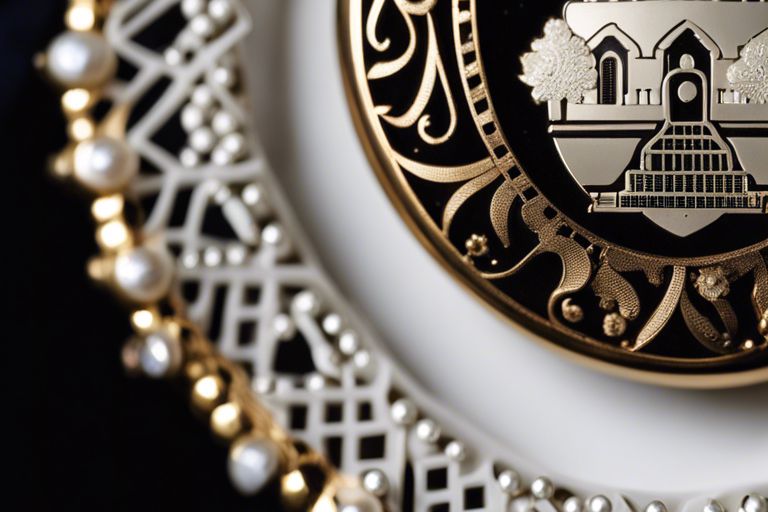
Mourning jewelry is an important part of funeral culture and plays a decisive role in the design of funeral services and memorials. In this article, we will look at the materials and symbolism of mourning jewelry to gain a deeper understanding of the meaning and historical development of this traditional custom.
Mourning jewelry encompasses a variety of materials used to decorate coffins, graves, and memorials. This tradition dates back to ancient civilizations, where mourning jewelry was often made from natural elements such as flowers, leaves, and branches. Throughout history, the symbolism of mourning jewelry has changed, with certain materials and design elements acquiring different meanings in different cultures.
The use of materials such as gemstones, pearls, and metals, as well as the integration of religious and spiritual symbols, has evolved over time and contributes to a deeper understanding of grief and remembrance.
This article aims to provide a comprehensive overview of the materials and symbolism of mourning jewelry. We will examine the most important materials and their meanings in the context of mourning rituals in various cultures. In addition, we will shed light on the historical development of mourning jewelry and its role in today’s funeral culture.
It is the goal of this article to contribute to a better understanding of the meaning and cultural diversity of mourning jewelry, to help readers deal appropriately with grief and loss.
Materials play an important role in the design of funeral jewelry. They not only contribute to the aesthetic appearance but also carry symbolic meaning that enhances the expression of grief and remembrance.
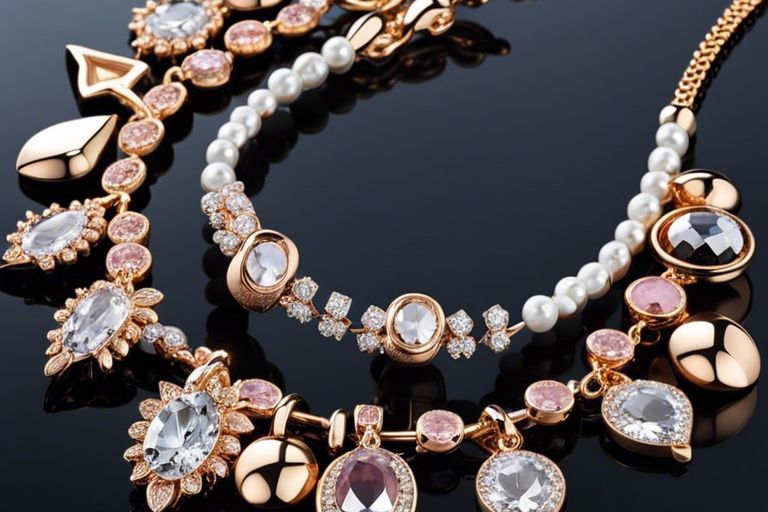
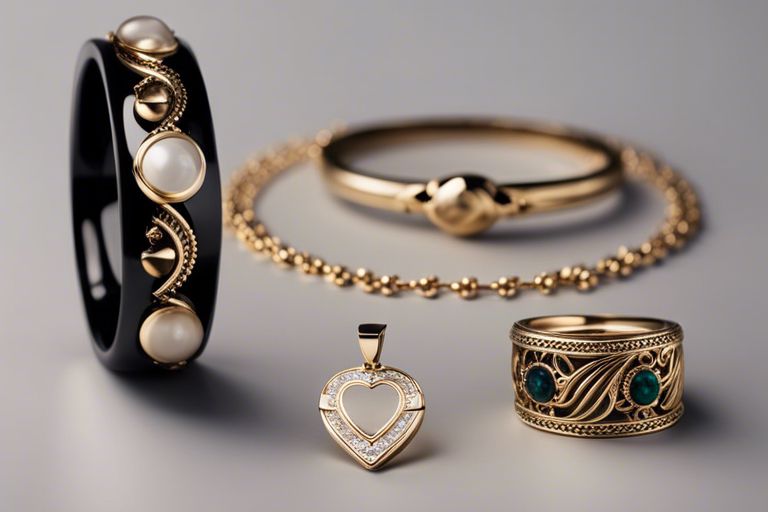
Precious metals like gold and silver are frequently used in mourning jewelry. Their durability and longevity symbolize the immortality of the memory of the deceased. Gold stands for warmth, love, and value, while silver represents purity and clarity. These precious metals give mourning jewelry a timeless elegance and emphasize the precious memory of the deceased.
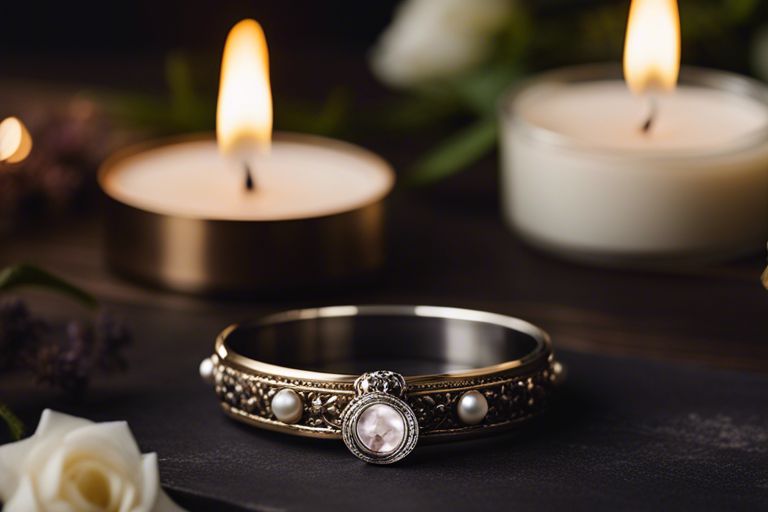
The use of gemstones in mourning jewelry also has a deep symbolic meaning. Diamonds symbolize eternity and imperishability, while pearls embody purity and perfection. These gemstones add an additional layer of meaning to the piece of jewelry and contribute to its individual design to honor the personality of the deceased.
By selecting gemstones, the personality and unique characteristics of the deceased can be subtly reflected in the mourning jewelry, increasing its emotional value for the bereaved.
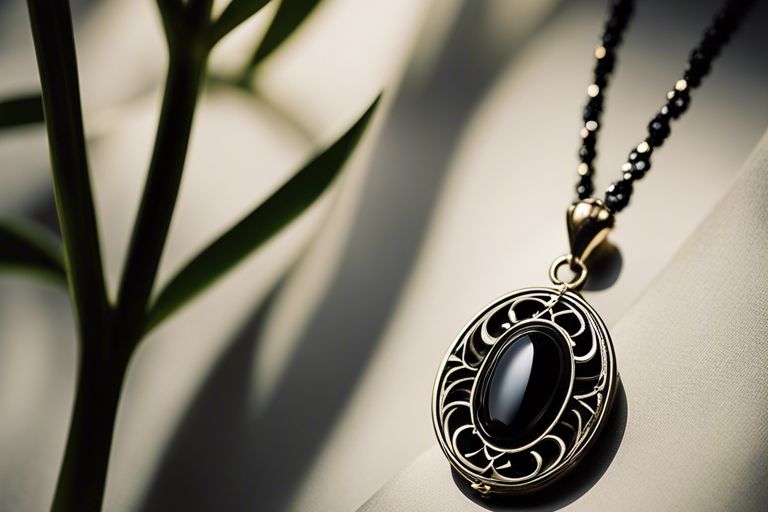
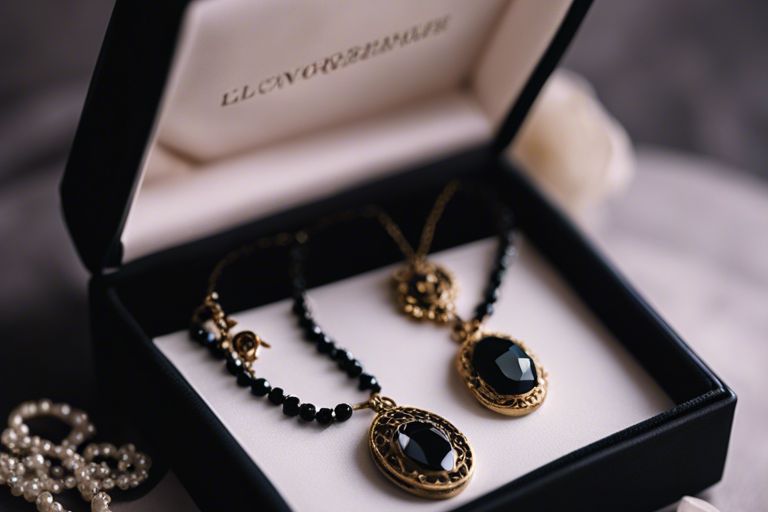
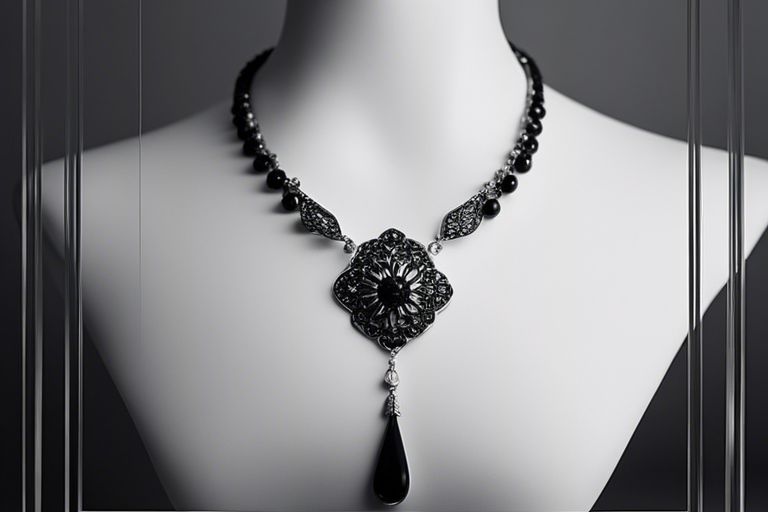
In addition to precious metals and gemstones, other materials such as hair,enamel, and jet are also used in mourning jewelry. Hair was traditionally used to create a direct connection to the deceased, while enamel and jet, due to their dark color and fine luster, lend an elegant and dignified appearance.
Matching products on the topic
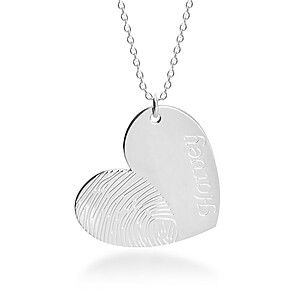
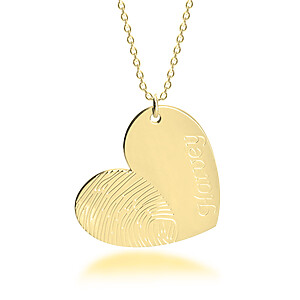
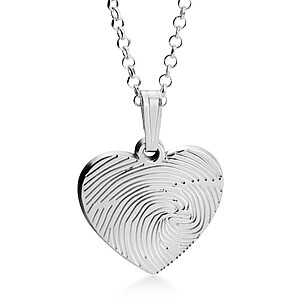
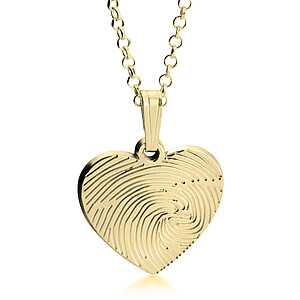
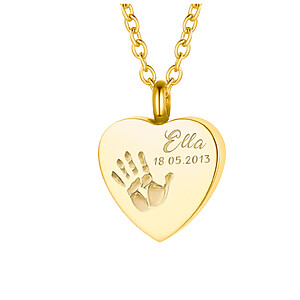
ALWAYS AT HEART - Heart necklace with original 3D fingerprint & individual engraving
 925 rhodium-plated silver
 Gold plated 24k
 Rose gold
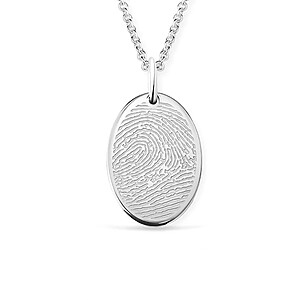
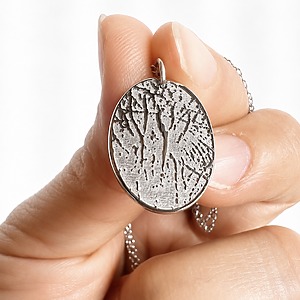
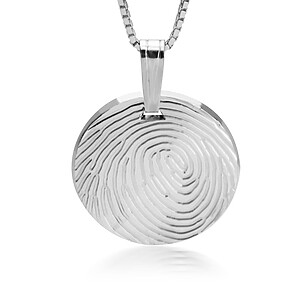
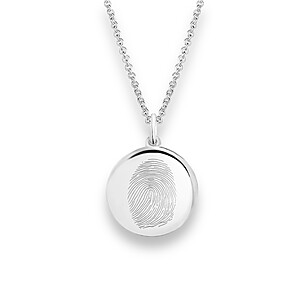
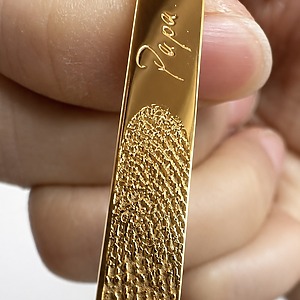
KEEPSAKE - Necklace with original fingerprint engraving memorial jewelry
925 rhodium-plated silver
 Gold plated 18K
Rose gold
Gold plated 18K
Rose gold
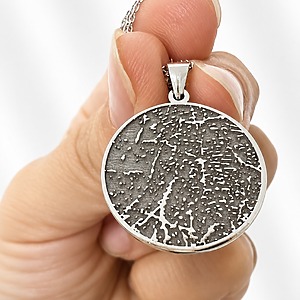
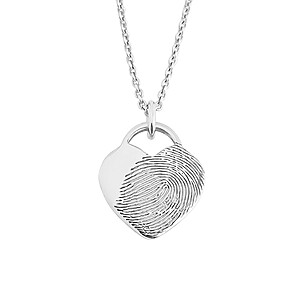
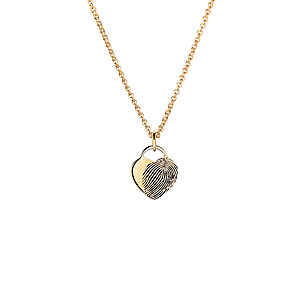
HEART LEAF - Heart necklace with original 3D fingerprint engraving
925 rhodium-plated silver
Gold plated 18K
Rose gold
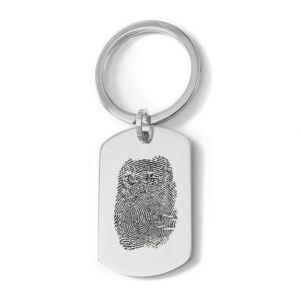
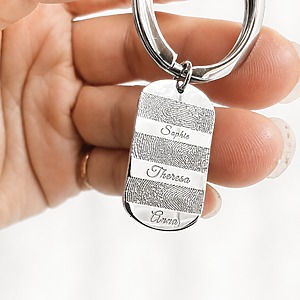
LUCKY CHARM - Keychain with individual 3D fingerprint & optional name
 Stainless steel 304
925 rhodium-plated silver
Gold plated 18K
Rose gold
Stainless steel 304
925 rhodium-plated silver
Gold plated 18K
Rose gold
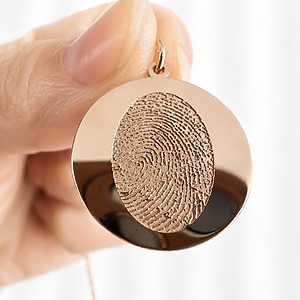
MEMENTO Touch - Necklace with original 3D fingerprint engraving
925 rhodium-plated silver
Gold plated 18K
Rose gold
Stainless steel 304
925 rhodium-plated silver
Gold plated 18K
Rose gold
MEMENTO Fingertip - Necklace with original 3D fingerprint engraving
925 rhodium-plated silver
Gold plated 18K
Rose gold
925 rhodium-plated silver
Gold plated 18K
Rose gold
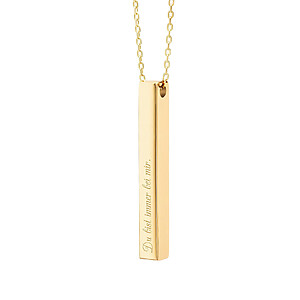
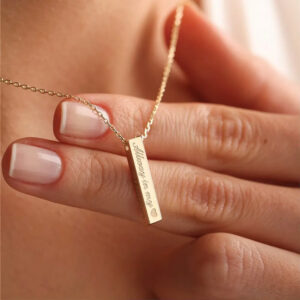
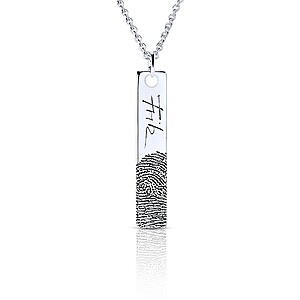
BAR - Urn ash pendant with personalized text engraving handwritten or original signature
Stainless steel 304
925 rhodium-plated silver
Gold plated 18K
Rose gold
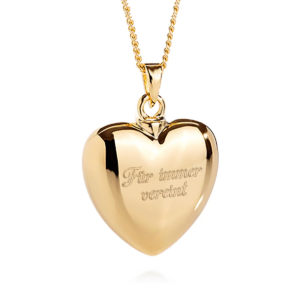
HEARTBEAT Fingertip - Heart necklace with original 3D fingerprint engraving & individual engraving
925 rhodium-plated silver
Gold plated 18K
Rose gold
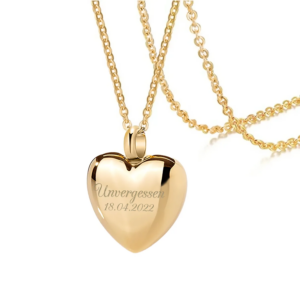
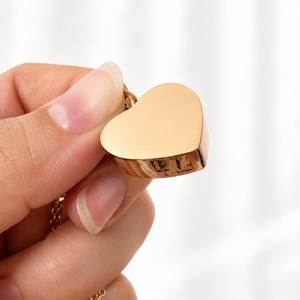
HEART ASH - Stainless steel urn necklace with individual engraving
925 rhodium-plated silver
 Silver Look
Gold plated 18K
Rose gold
925 rhodium-plated silver
Gold plated 18K
Rose gold
Silver Look
Gold plated 18K
Rose gold
925 rhodium-plated silver
Gold plated 18K
Rose gold
These additional materials make it possible to incorporate individual and personal elements into mourning jewelry and to create a unique symbolic meaning that goes beyond the purely aesthetic aspect.
The symbolism of mourning jewelry has undergone a diverse development throughout history. The use of certain symbols and motifs has changed over the centuries and is closely linked to cultural and religious influences. It is fascinating to observe how the meaning of symbols and their use in mourning jewelry have changed over time.
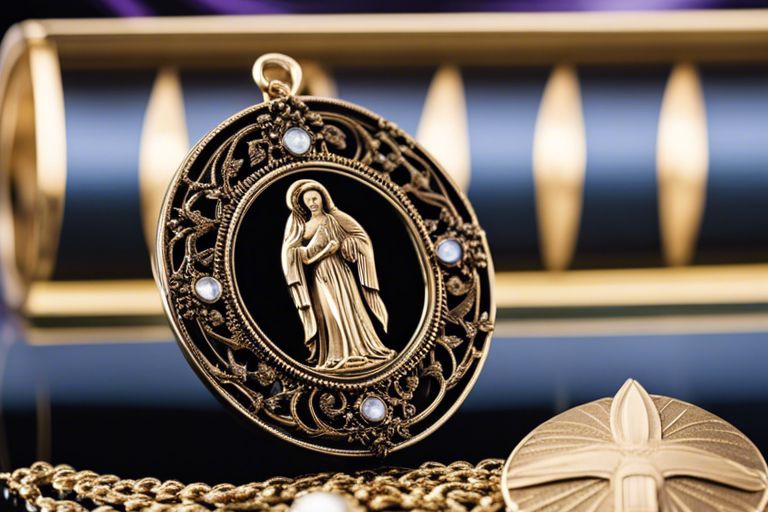
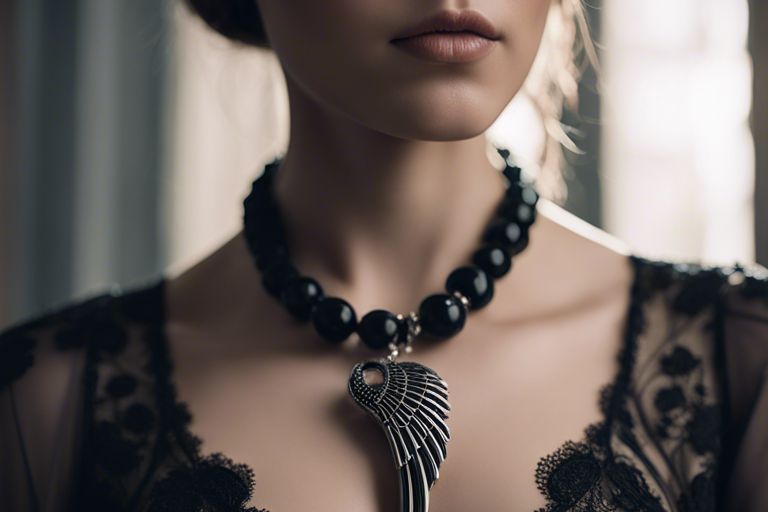
In past times, certain symbols and motifs were particularly common in mourning jewelry and had a fixed meaning. For example, in the Victorian era, symbols such as tears, angelic figures, and weeping women were often used to enhance the expression of grief. These symbols reflected the social norms of the time and the way loss was dealt with. Over time, however, some of these historical symbols have changed or faded into the background, while new symbols and motifs have gained importance.
The use of plant symbolism in mourning jewelry is deeply rooted in history and carries a variety of symbolic messages. For example, white lilies can symbolize peace and purity, while ivy can stand for loyalty and eternal connection. The choice of plants and flowers in mourning jewelry can therefore have a personal and meaningful significance that goes beyond mere aesthetics. Plant symbolism has evolved over the centuries and is closely linked to cultural traditions and religious beliefs.
You can find more information about plant symbolism and its messages in our detailed guide to mourning jewelry, which also covers the use of symbols and motifs in different cultures.
The use of animal motifs in mourning jewelry is a fascinating aspect that is often overlooked. Certain animals, such as doves, which are considered symbols of peace, or butterflies, which stand for rebirth and transformation, are often incorporated into memorial jewelry. These animal motifs carry a special symbolic meaning and can add an additional layer of message and remembrance to mourning jewelry. The use of animal motifs in the context of remembrance has changed over time and is a fascinating topic within the symbolism of mourning jewelry.
Learn more about the meaning of animal motifs in mourning jewelry and their historical development in our comprehensive guide on the subject.
Mourning jewelry varies greatly depending on the region and time period. In different cultures and historical eras, different materials and symbolisms were used to express grief. A deeper understanding of regional differences and time periods can help us appreciate the versatility and complexity of mourning jewelry.
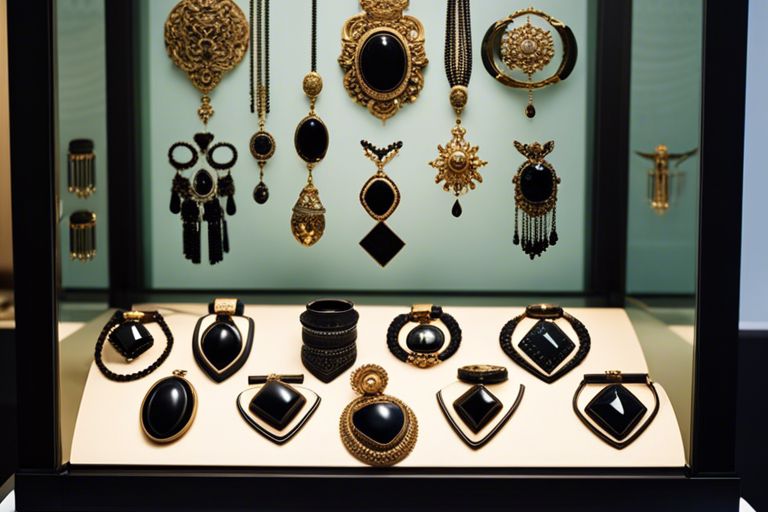
In the Victorian era, mourning jewelry was of great importance and carried a variety of symbols and materials. The use of black gemstones such as onyx and black diamond was widespread to symbolize grief and loss. Likewise, hair of the deceased was incorporated into jewelry to keep the memory of the deceased alive.
Today, mourning jewelry is experiencing a renaissance, and modern interpretations and trends are setting new standards. There is a growing trend towards personalized mourning jewelry that integrates individual memories and symbols of the deceased. Innovative materials such as biodegradable elements and recycled materials are also increasingly being used to promote a sustainable approach to mourning jewelry.
The modern mourning jewelry industry also offers online-based services that allow people to design and order custom mourning jewelry, creating a wider range of options and a more personal experience for customers.
Mourning jewelry is an important part of the farewell process and plays a significant role in coping with grief. The materials and symbols used in mourning jewelry carry deep symbolic meaning and help the bereaved express and process their grief.
The study of materials and symbolism in mourning jewelry has shown that the choice of materials and symbols depends heavily on cultural and individual preferences. The significance of mourning jewelry is deeply rooted in historical traditions that continue to live on today.
It also became clear that the selection of mourning jewelry represents a personal and meaningful decision for the bereaved, which can help them find comfort and remembrance.
The future of mourning jewelry lies in its further development and adaptation to modern needs and cultural changes. New materials and designs could emerge to meet today’s demands and support the individual expression of grief and remembrance.
It is important that the symbolism in mourning jewelry continues to be valued and preserved in the future, to continue offering the bereaved a way to cope with grief and to remember.
Further research and discussion in this field are essential to better understand the meaning and function of mourning jewelry in different cultures and societies and to respond appropriately.
A: The most common materials in mourning jewelry are sterling silver, white gold, pearls, diamonds, and gemstones such as onyx and obsidian.
A: Commonly used symbols in mourning jewelry include tears, angel wings, crosses, roses, and hearts, symbolizing love, loss, and remembrance.
A: Mourning jewelry can be worn as a pendant, brooch, bracelet, or ring and serves to preserve the memory of the deceased.
A: Yes, different cultures have different symbols and materials in mourning jewelry. For example, lotus flowers in some cultures represent purity and enlightenment, while crosses in other cultures have a religious meaning.
A: When wearing mourning jewelry, it should be ensured that it appears appropriate and respectful. In some cultures and societies, there are specific rules and traditions that should be observed.
KEEPSAKE - Necklace with original fingerprint engraving memorial jewelry
925 rhodium-plated silver
Gold plated 18K
Rose gold
HEART LEAF - Heart necklace with original 3D fingerprint engraving
925 rhodium-plated silver
Gold plated 18K
Rose gold
LUCKY CHARM - Keychain with individual 3D fingerprint & optional name
Stainless steel 304
925 rhodium-plated silver
Gold plated 18K
Rose gold
Stainless steel 304
925 rhodium-plated silver
Gold plated 18K
Rose gold
MEMENTO Fingertip - Necklace with original 3D fingerprint engraving
925 rhodium-plated silver
Gold plated 18K
Rose gold
925 rhodium-plated silver
Gold plated 18K
Rose gold
Sprache auswählen: