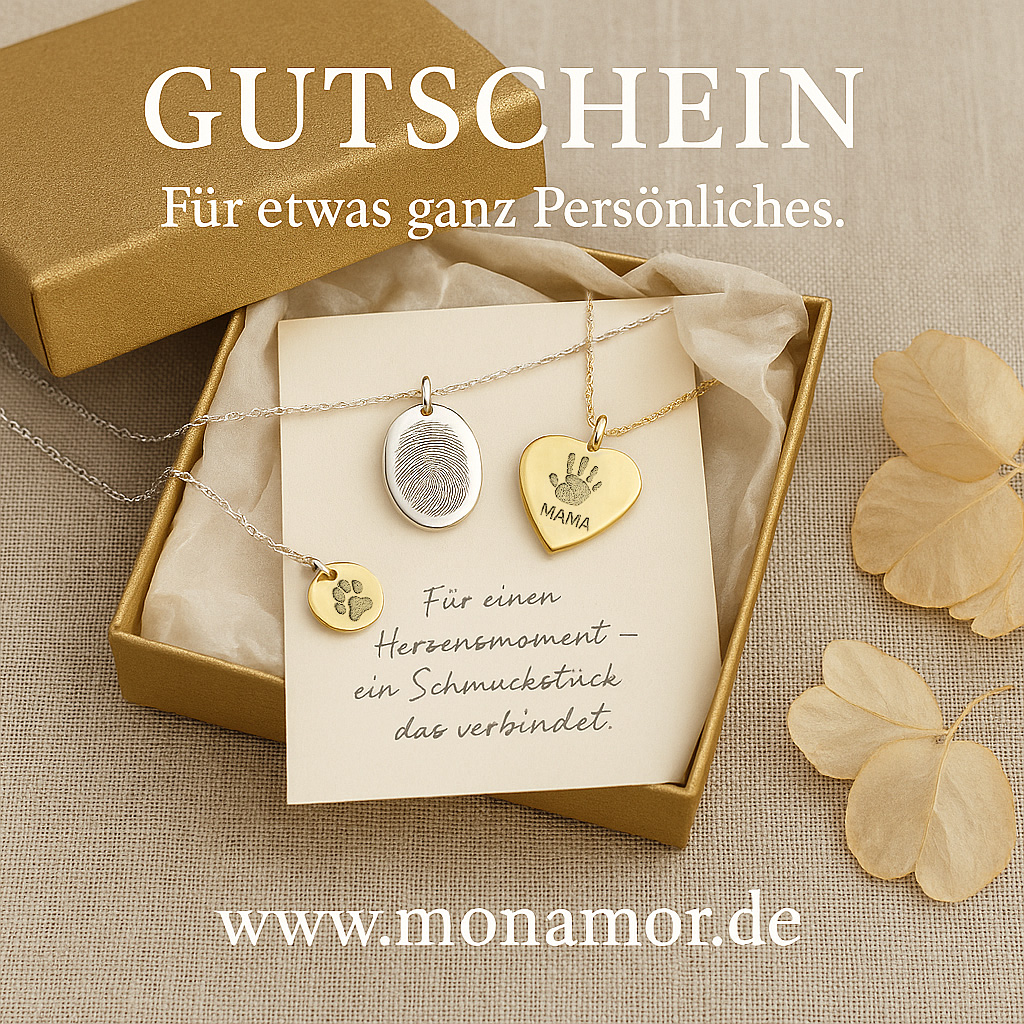
Medallions reduced by up to €50!
All lockets CHEAPER ✨
Wear your most beautiful memories close to you.
Opening keepsakes of people, animals and your loved ones.
X Close
X Close
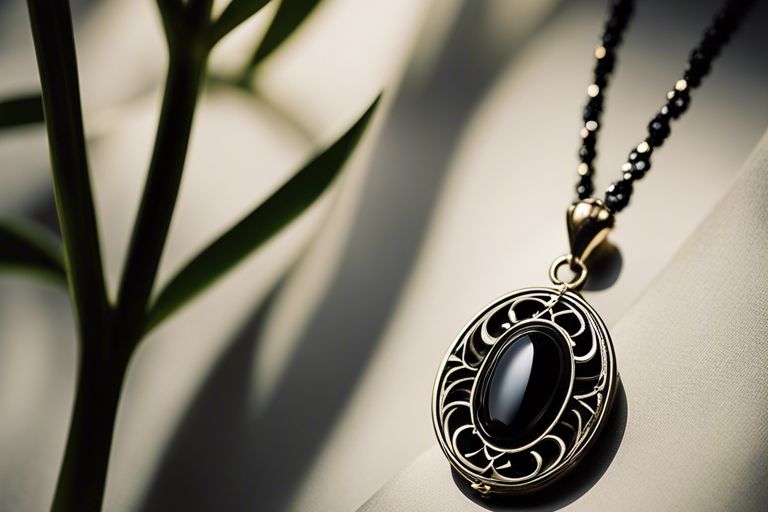
The history of mourning jewelry dates back a long way and is shaped by many traditions and developments over time. Mourning jewelry, also known as funeral jewelry, has a long and meaningful history that goes back to antiquity. In this blog post, we will take a closer look at the traditions and developments of mourning jewelry over time.
The origin of mourning jewelry dates back far into human history. In many cultures, jewelry played an important role in coping with grief and honoring the deceased. It symbolized the respect and connection of the bereaved with the deceased. Mourning jewelry had and still has today a deep emotional meaning and serves as an expression of grief, love, and remembrance.
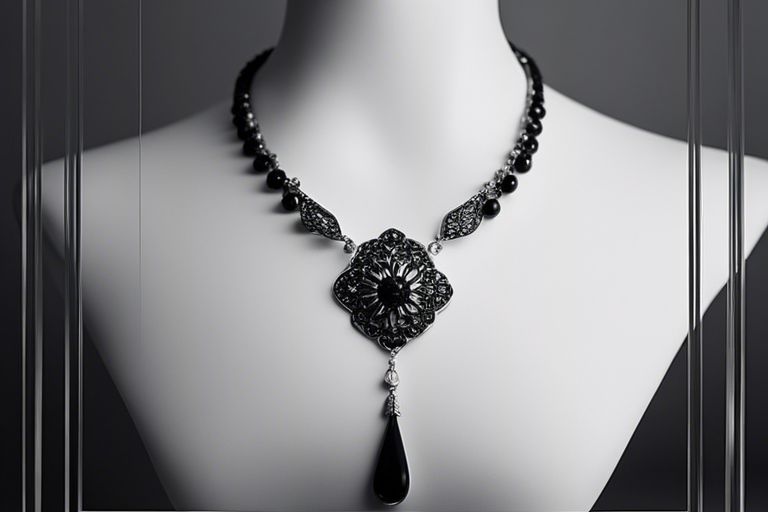
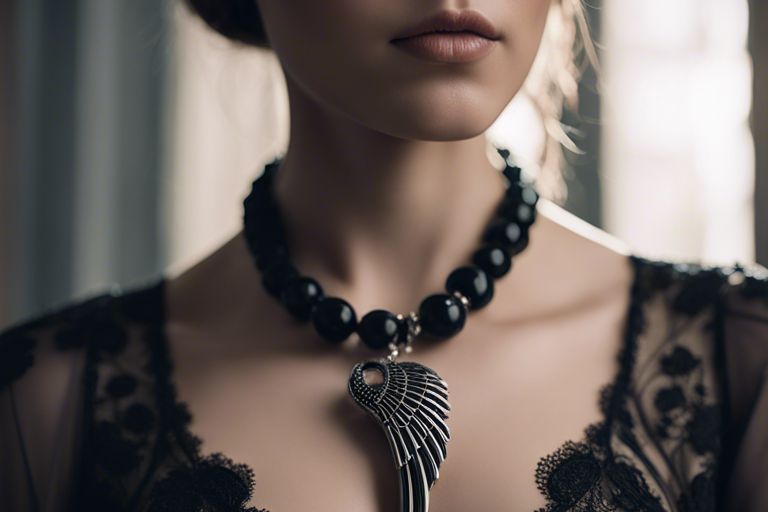
In antiquity, people wore mourning jewelry made of dark, simple materials such as black pearls or agate. These materials were symbolic of grief and loss and served to express the sorrow of the bereaved. The jewelry was often worn in the form of necklaces, bracelets, or brooches and was a clear sign of belonging to the grieving community.
The oldest known examples of mourning jewelry come from the time of ancient Egypt. Here, amulets or pendants with symbolic meaning were often worn as mourning jewelry. These pieces of jewelry were intended to accompany the deceased on their journey to the afterlife and provide them with protection. Mourning jewelry in ancient Egypt was therefore not only an expression of grief but also had a spiritual meaning.
Similar examples can also be found in other ancient cultures such as Greek and Roman, where mourning jewelry also played an important role in burial rituals. These early forms of mourning jewelry bear witness to the universal human tradition of processing grief and the loss of loved ones through symbolic objects.
In Europe, mourning jewelry has a long and deeply rooted tradition. After the loss of a loved one, people often wore black clothing and jewelry to express their grief. A symbol frequently used in this jewelry is the mourning ribbon, which serves as a sign of mourning and remembrance. In some European cultures, special pieces of jewelry such as mourning rings or brooches were also worn to symbolize and process the loss of a loved one.
Over time, European mourning jewelry traditions have evolved, and today there are a variety of ways to symbolize grief and loss through jewelry. Despite the changes, the meaning of mourning jewelry in Europe remains strong and relevant, as it continues to serve as an expression of grief and remembrance.
In many non-European cultures, there are also deeply rooted traditions regarding mourning jewelry. For example, some cultures use jewelry in vibrant colors or with specific symbols to honor the loss of a loved one. In other cultures, certain materials such as pearls, gemstones, or even animal teeth may be incorporated into mourning jewelry to create a connection to the spiritual world and honor the deceased.
The diversity of non-European mourning jewelry practices shows that each culture has its own unique ways of processing grief and loss through jewelry. These practices are deeply ingrained and hold strong meaning for the communities involved, as they help to process the loss and honor the deceased.
Other non-European practices in dealing with mourning jewelry may also include traditional burial rituals, ancestor worship, and spiritual beliefs that play an important role in dealing with grief and loss.
Matching products on the topic
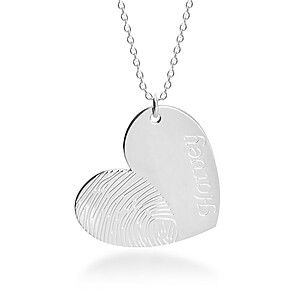
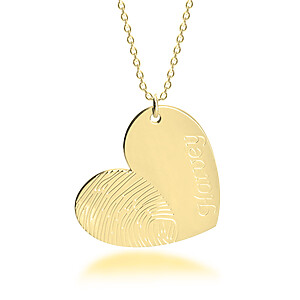
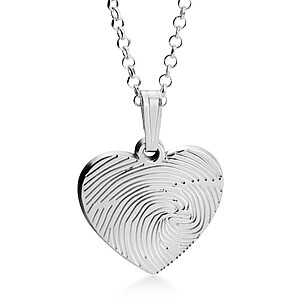
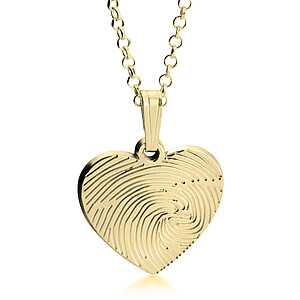
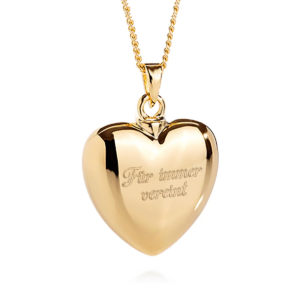
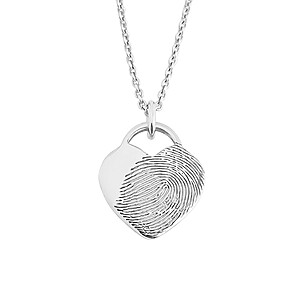
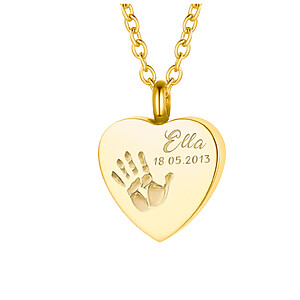
ALWAYS AT HEART - Heart necklace with original 3D fingerprint & individual engraving
 925 rhodium-plated silver
 Gold plated 24k
 Rose gold
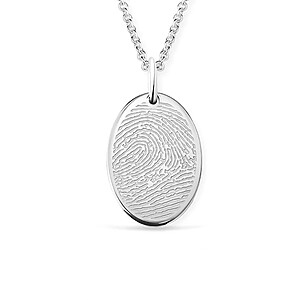
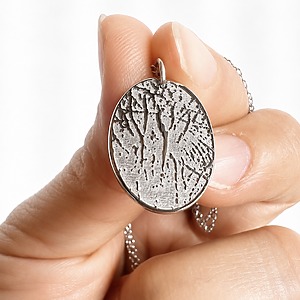
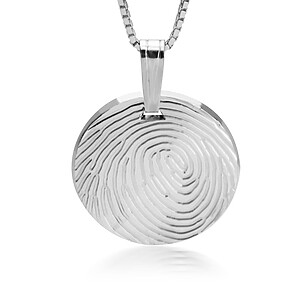
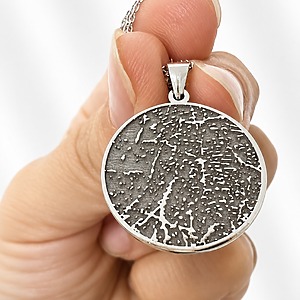
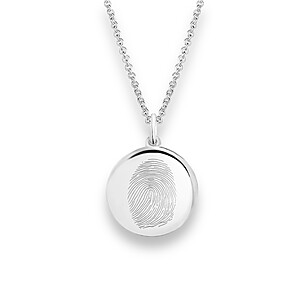
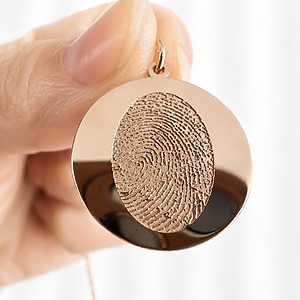
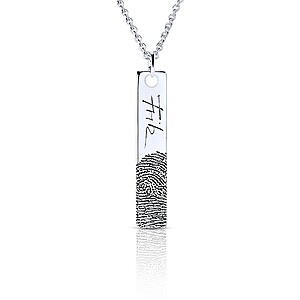
KEEPSAKE - Necklace with original fingerprint engraving memorial jewelry
925 rhodium-plated silver
 Gold plated 18K
Rose gold
Gold plated 18K
Rose gold
HEART LEAF - Heart necklace with original 3D fingerprint engraving
925 rhodium-plated silver
Gold plated 18K
Rose gold
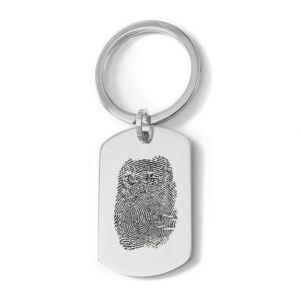
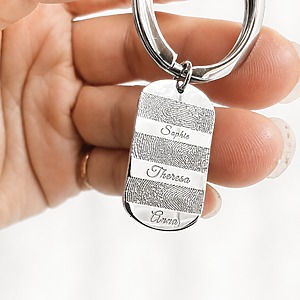
LUCKY CHARM - Keychain with individual 3D fingerprint & optional name
 Stainless steel 304
925 rhodium-plated silver
Gold plated 18K
Rose gold
Stainless steel 304
925 rhodium-plated silver
Gold plated 18K
Rose gold
MEMENTO Touch - Necklace with original 3D fingerprint engraving
925 rhodium-plated silver
Gold plated 18K
Rose gold
Stainless steel 304
925 rhodium-plated silver
Gold plated 18K
Rose gold
MEMENTO Fingertip - Necklace with original 3D fingerprint engraving
925 rhodium-plated silver
Gold plated 18K
Rose gold
925 rhodium-plated silver
Gold plated 18K
Rose gold
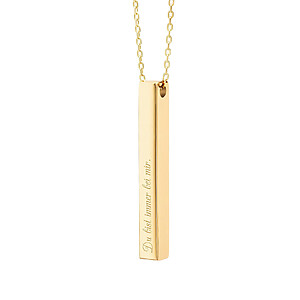
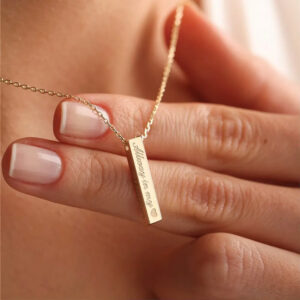
BAR - Urn ash pendant with personalized text engraving handwritten or original signature
Stainless steel 304
925 rhodium-plated silver
Gold plated 18K
Rose gold
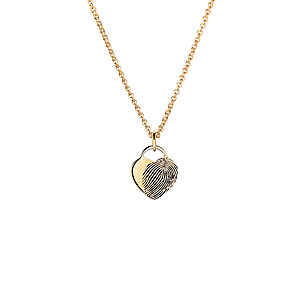
HEARTBEAT Fingertip - Heart necklace with original 3D fingerprint engraving & individual engraving
925 rhodium-plated silver
Gold plated 18K
Rose gold
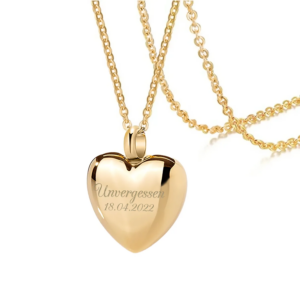
HEART ASH - Stainless steel urn necklace with individual engraving
925 rhodium-plated silver
 Silver Look
Gold plated 18K
Rose gold
925 rhodium-plated silver
Gold plated 18K
Rose gold
Silver Look
Gold plated 18K
Rose gold
925 rhodium-plated silver
Gold plated 18K
Rose gold
In the 19th and 20th centuries, mourning jewelry underwent a series of changes that strongly influenced its meaning and use. During the Victorian era, mourning jewelry was particularly popular and served as an expression of grief and remembrance of the deceased. Over time, however, a more modern interpretation of mourning jewelry developed, adapting to changing social norms and cultural influences.
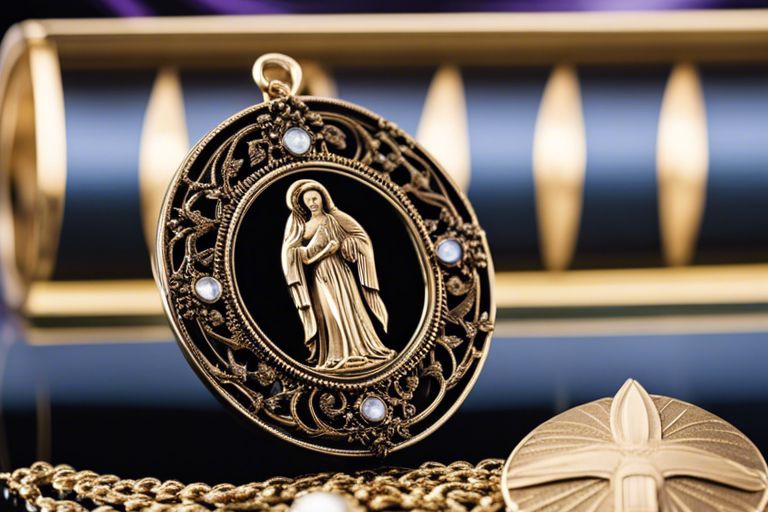
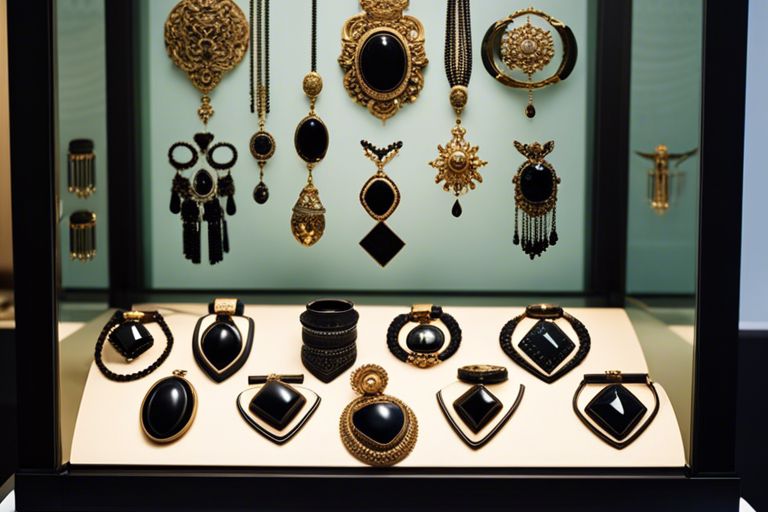
The Victorian era was characterized by strict social rules and rituals, which also affected the way people dealt with death and mourning. The mourning jewelry of this period was often opulent and dark, using materials such as onyx, jet, and enamel. This jewelry served as a visible expression of grief and was worn by people to show their connection to the deceased. In addition, personal belongings of the deceased were incorporated into the jewelry to keep their memory alive.
Throughout the 20th century, the interpretation of mourning jewelry began to change. With the advent of new materials and design approaches, mourning jewelry became more modern and subtly designed to meet changing cultural norms and personal preferences. Nowadays, more discreet pieces of jewelry are often preferred, honoring the memory of the deceased without dominating. In addition, changes are also found in the symbols and motifs used in modern mourning jewelry, which adapt to the diversity of individual beliefs and worldviews.
The development of modern mourning jewelry reflects changes in society and emphasizes the importance of individuality and personal expression when it comes to commemorating the deceased. These adaptations have contributed to mourning jewelry still being considered a significant part of mourning culture today, preserving the memory of loved ones in a dignified way.
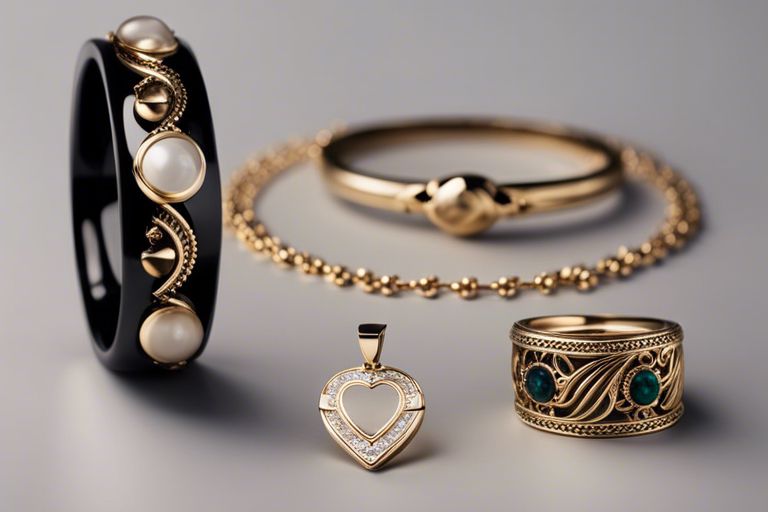
Mourning jewelry has used various materials throughout the centuries to express the loss of a loved one. Popular materials through the centuries include pearls, jet, onyx, and enamel.
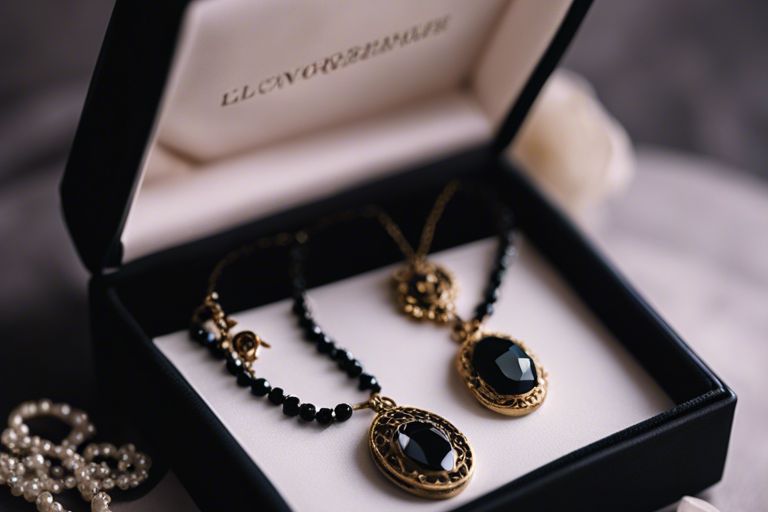
In the Victorian era, pearls were a widespread material in mourning jewelry, as they symbolized purity and tears. Jet, a fossilized wood, was also frequently used, as it had a deep and impenetrable blackness that reflected the darkness of grief. Onyx, a black gemstone, was valued for its somber color and hardness. Enamel was often used for making mourning jewelry due to its ability to shimmer in dark colors.
Mourning jewelry is imbued with symbolism and meaning. Black colors are widely used to express grief and symbolize the loss of a loved one. Doves and lilies are often used as symbols of peacefulness and purity, while inverted torches are meant to represent the transience of life. These symbols serve to express the feelings of the bereaved and to accept the loss.
With the help of these materials and symbols, mourning jewelry serves as a powerful way to express feelings of grief and loss. The use of pearls, jet, onyx, and enamel reflects deep sadness, while the symbolism of colors and motifs holds a deeper meaning for those in mourning.
The history of mourning jewelry is characterized by deep traditions and significant developments over time. Despite the somber and sad occasions surrounding mourning jewelry, its meaning and type have changed over the centuries. Whether it’s traditional black pearls or modern memorial pieces, mourning jewelry has always played an important role in coping with loss.
It is important to emphasize that mourning jewelry has both positive and negative aspects. On the one hand, it serves as a symbol of grief and loss, but can also offer comfort and remembrance. On the other hand, certain materials and designs of mourning jewelry can cause allergic reactions or even be harmful to health. A conscious approach to mourning jewelry is therefore of utmost importance to avoid negative effects.
It is essential that mourning jewelry manufacturers and sellers are aware of their responsibility to use high-quality, safe materials and to educate customers about potential dangers. At the same time, the meaning and symbolism of mourning jewelry should be respected and honored.
The history of mourning jewelry is characterized by complexity and emotional depth. It is important to honor the developments and traditions while also ensuring that no health risks are taken. With the necessary respect and awareness, mourning jewelry can continue to play an important role in coping with loss and providing comfort.
A: Mourning jewelry is a form of jewelry specifically worn for funerals and times of mourning. Over time, various traditions and developments in mourning jewelry have emerged, based on cultural and societal changes.
A: Traditionally, mourning jewelry was made from materials such as onyx, black pearls, jet, and enamel. However, nowadays, other materials such as silver and gemstones are also used for mourning jewelry.
A: Yes, different cultures have their own traditional forms of mourning jewelry. For example, some cultures use special symbols or colors to express grief, while others prefer certain pieces of jewelry or designs.
A: In the past, mourning jewelry was considered an expression of respect for the deceased and a symbol of grief. Today, mourning jewelry is often seen as a keepsake and an expression of love and connection with the deceased.
A: Mourning jewelry still plays an important role in funerals and memorial services today, as it can provide comfort to the bereaved and preserve the memory of the deceased. It also serves as a symbolic expression of grief and remembrance.
KEEPSAKE - Necklace with original fingerprint engraving memorial jewelry
925 rhodium-plated silver
Gold plated 18K
Rose gold
HEART LEAF - Heart necklace with original 3D fingerprint engraving
925 rhodium-plated silver
Gold plated 18K
Rose gold
LUCKY CHARM - Keychain with individual 3D fingerprint & optional name
Stainless steel 304
925 rhodium-plated silver
Gold plated 18K
Rose gold
Stainless steel 304
925 rhodium-plated silver
Gold plated 18K
Rose gold
MEMENTO Fingertip - Necklace with original 3D fingerprint engraving
925 rhodium-plated silver
Gold plated 18K
Rose gold
925 rhodium-plated silver
Gold plated 18K
Rose gold
Sprache auswählen: