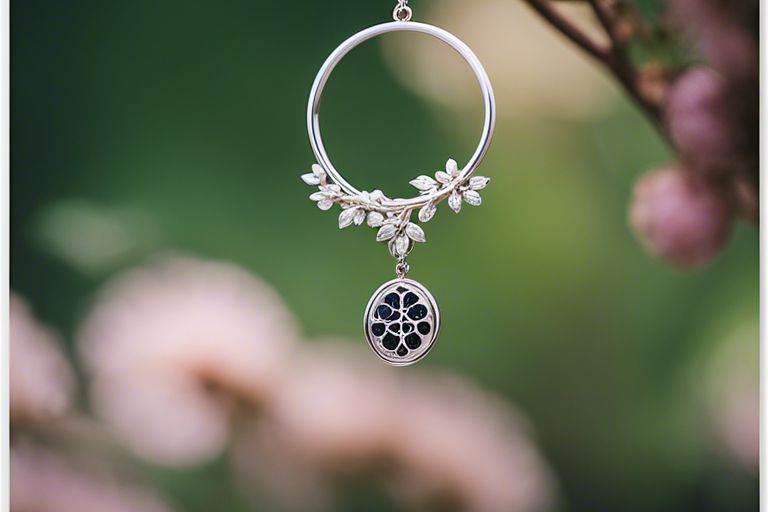
Medallions reduced by up to €50!
All lockets CHEAPER ✨
Wear your most beautiful memories close to you.
Opening keepsakes of people, animals and your loved ones.
X Close
X Close
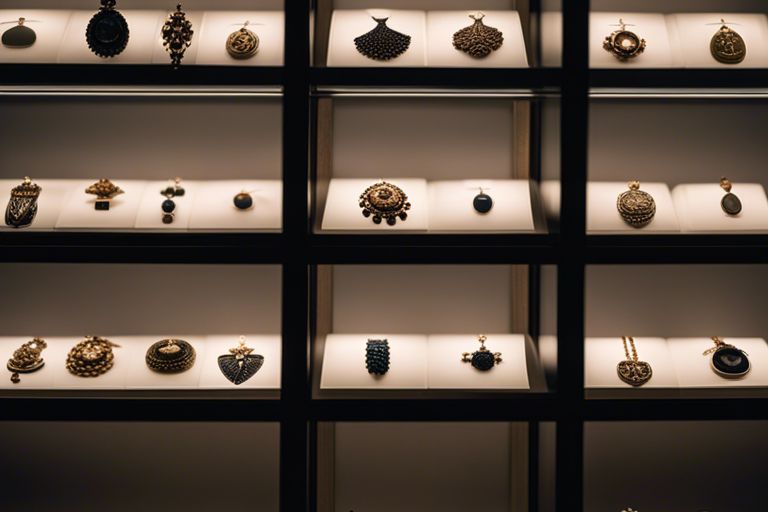
Mourning jewelry is a cultural phenomenon with a long history in society. It serves to symbolize and express the grief and loss of a loved one. In this chapter, we will take a closer look at the sociological aspects of mourning jewelry and analyze its significance for society.
It is important to understand that mourning jewelry can have both positive and potentially dangerous effects. On the one hand, it can provide comfort to the bereaved and allow them to express their emotions. On the other hand, there is a risk that mourning jewelry can be misused as a status symbol or a competition for the intensity of grief, which can put pressure on the bereaved.
The historical context of mourning jewelry is of great importance for understanding the sociological aspects of mourning jewelry in society. Mourning jewelry has been an integral part of various cultures for centuries and has undergone various developments and meanings over time.
The origins of mourning jewelry can be traced back to antiquity, where people began to wear jewelry as an expression of grief and remembrance. Over the centuries, mourning jewelry has evolved from simple grave goods to elaborate and symbolic objects. Especially in the Victorian era, mourning jewelry flourished and became an important part of mourning culture.
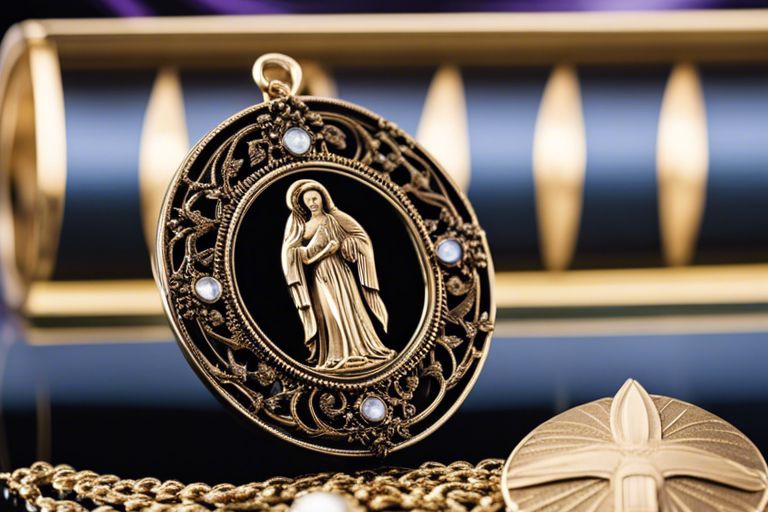
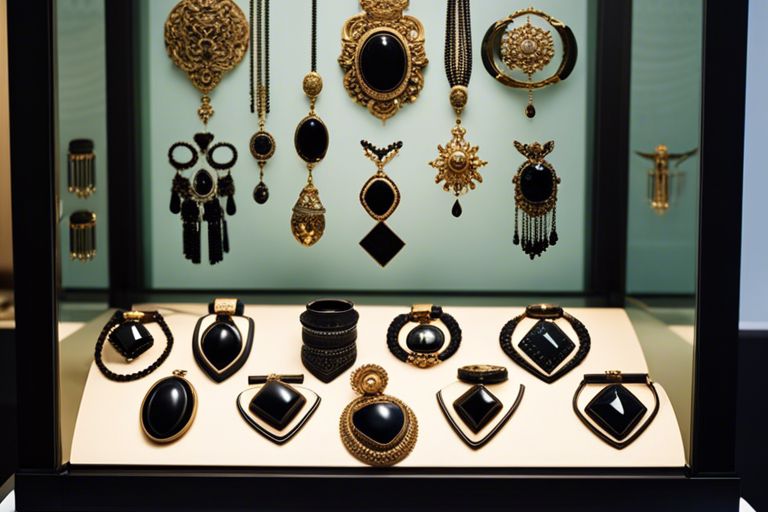
In different eras of history, mourning jewelry has shown different characteristics and symbols. For example, while the use of black diamonds and crosses was common in the Baroque period, Art Nouveau focused on natural symbolism and the use of floral motifs. Each era thus produced its own cultural and aesthetic characteristics in mourning jewelry, which say a lot about the respective society.
Further insights into the significance of mourning jewelry in different historical eras give us important clues about the values and social norms that prevailed at that time. This underscores the deep roots of mourning jewelry in cultural history and its importance as a mirror of society.
Mourning jewelry is deeply rooted in symbolic meaning and plays a significant role in processing the grieving process in society. The selection of materials and design elements contributes to the individual and collective interpretation of the jewelry and reflects cultural, religious, and personal beliefs.
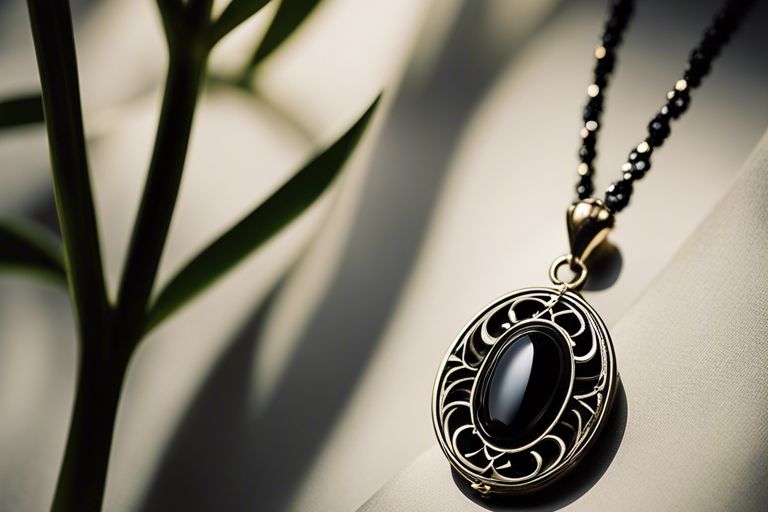
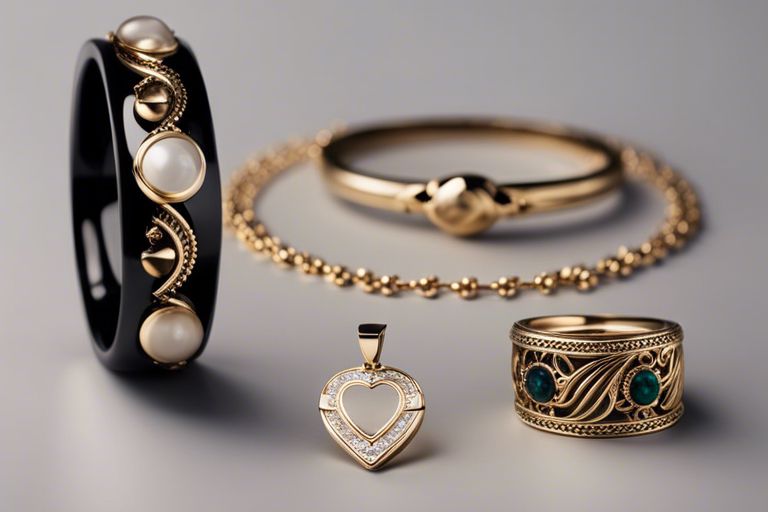
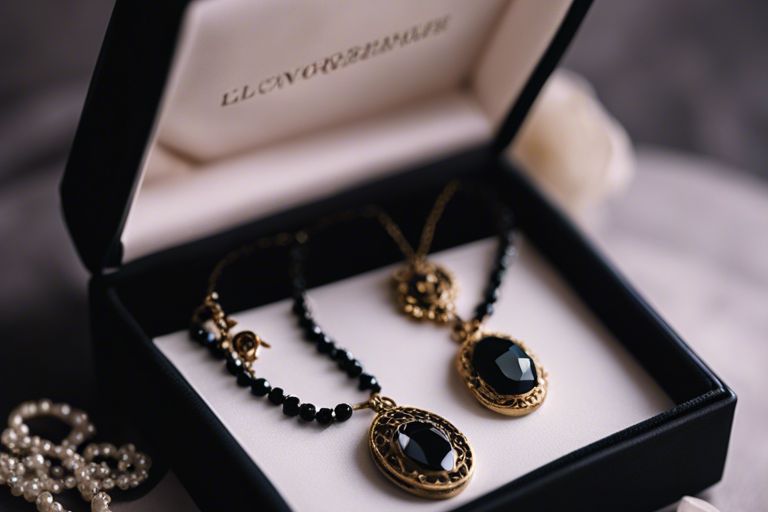
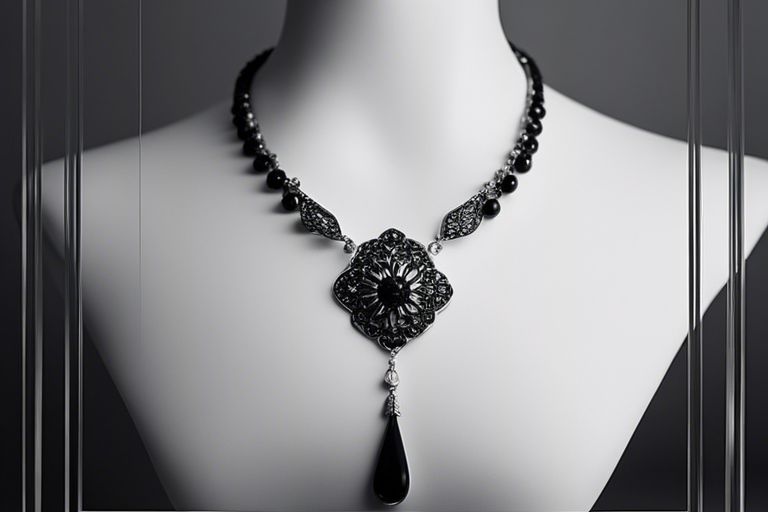
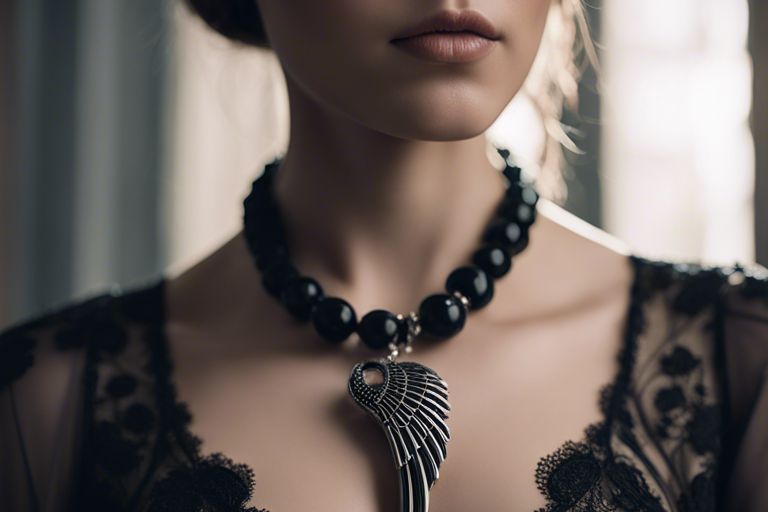
The materials used for mourning jewelry can have deep symbolic meanings. For example, the use of black gemstones such as onyx or obsidian stands for grief and loss. Pearls symbolize tears and pain, while silver and gold stand for the imperishability of memory and the hope of reunion.
The selection of materials for mourning jewelry is a very personal matter and often reflects individual worldview and cultural beliefs. Traditional values and spiritual beliefs strongly influence the choice of materials and give the jewelry a deep symbolic meaning.
In addition to the materials, design elements also play an important role in the interpretation of mourning jewelry. Floral motifs symbolize transience and the beauty of memory. Circular shapes and ribbons represent infinity and the connection between life and death.
Matching products on the topic
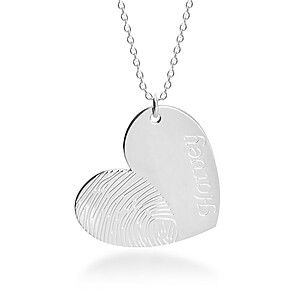
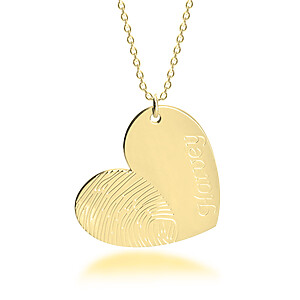
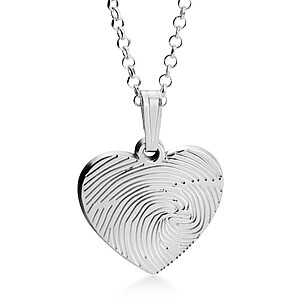
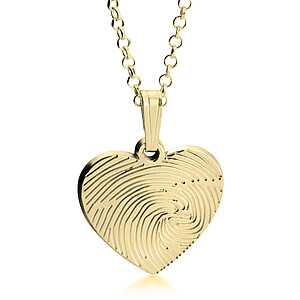
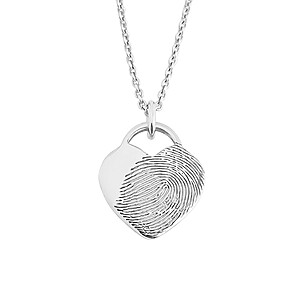
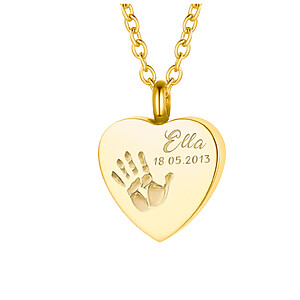
ALWAYS AT HEART - Heart necklace with original 3D fingerprint & individual engraving
 925 rhodium-plated silver
 Gold plated 24k
 Rose gold
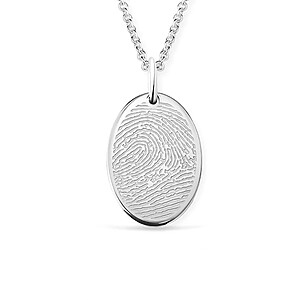
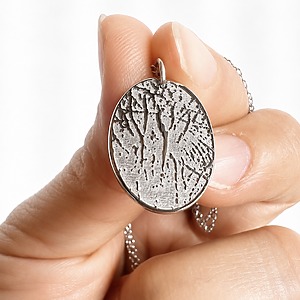
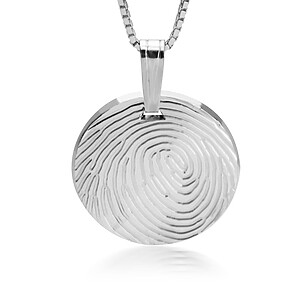
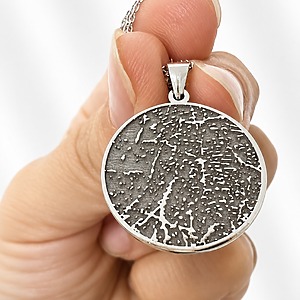
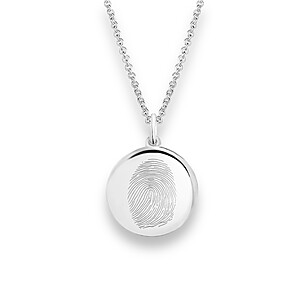
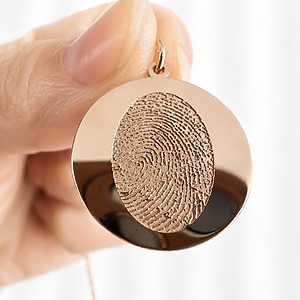
KEEPSAKE - Necklace with original fingerprint engraving memorial jewelry
925 rhodium-plated silver
 Gold plated 18K
Rose gold
Gold plated 18K
Rose gold
HEART LEAF - Heart necklace with original 3D fingerprint engraving
925 rhodium-plated silver
Gold plated 18K
Rose gold
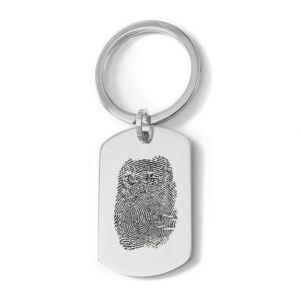
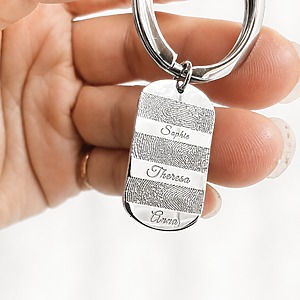
LUCKY CHARM - Keychain with individual 3D fingerprint & optional name
 Stainless steel 304
925 rhodium-plated silver
Gold plated 18K
Rose gold
Stainless steel 304
925 rhodium-plated silver
Gold plated 18K
Rose gold
MEMENTO Touch - Necklace with original 3D fingerprint engraving
925 rhodium-plated silver
Gold plated 18K
Rose gold
Stainless steel 304
925 rhodium-plated silver
Gold plated 18K
Rose gold
MEMENTO Fingertip - Necklace with original 3D fingerprint engraving
925 rhodium-plated silver
Gold plated 18K
Rose gold
925 rhodium-plated silver
Gold plated 18K
Rose gold
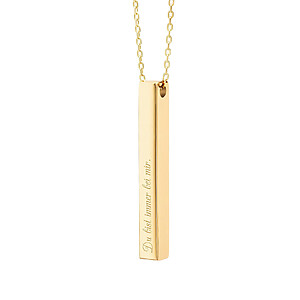
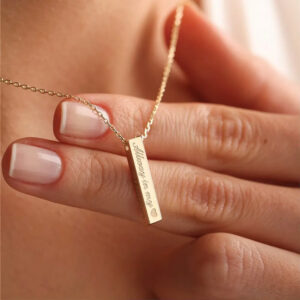
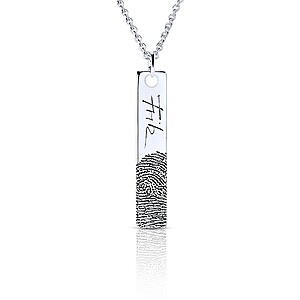
BAR - Urn ash pendant with personalized text engraving handwritten or original signature
Stainless steel 304
925 rhodium-plated silver
Gold plated 18K
Rose gold
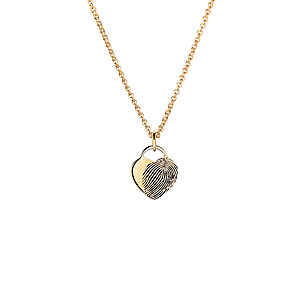
HEARTBEAT Fingertip - Heart necklace with original 3D fingerprint engraving & individual engraving
925 rhodium-plated silver
Gold plated 18K
Rose gold
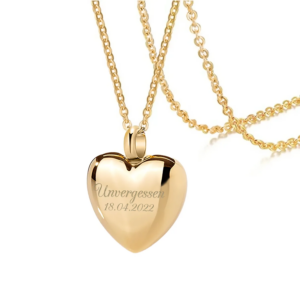
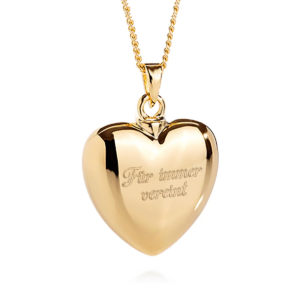
HEART ASH - Stainless steel urn necklace with individual engraving
925 rhodium-plated silver
 Silver Look
Gold plated 18K
Rose gold
925 rhodium-plated silver
Gold plated 18K
Rose gold
Silver Look
Gold plated 18K
Rose gold
925 rhodium-plated silver
Gold plated 18K
Rose gold
The interpretation of design elements in mourning jewelry can vary depending on cultural background and personal beliefs. It is important to respect the diversity of interpretations and to appreciate the individual meaning that mourning jewelry has for each person.
The diversity of design elements in mourning jewelry reflects the complexity of the grieving process and provides space for individual expressions and personal interpretations that play an important role in coping with loss.
Mourning jewelry continues to play a significant role in modern society. Current trends and their sociological implications show how the perception and meaning of mourning jewelry have changed over time. Likewise, the personal and collective expression of grief illustrates the multifaceted social and cultural influences on this form of jewelry.
The way mourning jewelry is perceived in today’s society reflects the evolution of mourning rituals and customs. This influences not only individual grief processing but also societal norms and values. These phenomena require in-depth consideration to fully grasp the sociological implications of mourning jewelry in modern society.
Current trends in mourning jewelry reflect changes in how mourners deal with loss and grief. The increased individualization and personalization of mourning jewelry reflect the growing diversity of mourning rituals and expressions. Furthermore, these trends also show the importance of mourning jewelry as an expression of personal identity and emotions, which has profound sociological implications.
The personal and collective expression of grief through jewelry illustrates the close connection between individual grief and social norms. Mourning jewelry serves not only as a personal expression for the mourners but also as a means of communication within society. The variety of materials, styles, and symbols shows the complexity and multifaceted nature of mourning jewelry as a social phenomenon.
Mourning jewelry forms a bridge between individual emotions and collective mourning rituals. By analyzing this connection, deeper insights into the sociological aspects of mourning jewelry can be gained.
The sociological examination of mourning jewelry in society allows for the analysis of various aspects of this phenomenon. Social norms, cultural influences, and individual needs play a decisive role in this.
Mourning jewelry is a meaningful social phenomenon that offers deep insights into social dynamics and the human psyche. It functions as a visible sign of grief, connecting individual emotions with societal expectations. Through the design and selection of jewelry, individuals can express their grief while simultaneously experiencing social recognition and support.
Mourning jewelry is interpreted and used differently across various cultures and social strata. While in some cultures it is considered an expression of grief and respect, in others it may carry social status symbols or religious meanings. Furthermore, economic factors also play a role in the selection and design of mourning jewelry, especially in different social classes.
With regard to sociological theories such as Symbolic Interactionism or Structural Functionalism, the significance of mourning jewelry in various social contexts can be further investigated. This perspective allows for a better understanding of the multifaceted role of mourning jewelry in society and provides deeper insights into its social meaning.
In the present study, we have found that mourning jewelry plays a multifaceted role in society. It not only serves as a symbol of grief and remembrance but also reflects sociological aspects. The meaning of mourning jewelry can vary depending on cultural background, social class, and historical context. Furthermore, we have observed that dealing with mourning jewelry can evoke various emotional reactions, which can have both positive and negative effects on individual and collective grieving experiences.
It is important to emphasize that mourning jewelry can influence and shape grieving processes in society. The way mourning jewelry is perceived and interpreted is of great importance for understanding the collective culture of mourning. In addition, we should not disregard the potential risks of mourning jewelry, as it carries the danger of entangling mourners in certain social norms and expectations.
It is essential that we acknowledge and respect the complexity of mourning jewelry in society. By recognizing how mourning jewelry shapes and reflects social dynamics, we can develop a more sensitive approach to this topic and offer appropriate support to those who are grieving.
A: Mourning jewelry in society serves to express and show grief and loss. It symbolizes the connection to the deceased and also serves as a remembrance.
A: Sociological aspects of mourning jewelry in society include cultural and social norms that influence how grief and loss are dealt with. Social status and individual expression also play a role.
A: Historically, mourning jewelry in society has changed from traditional symbols to modern and personalized forms. The meaning and use of mourning jewelry are subject to change, which is closely linked to cultural and social changes.
A: In different cultures, mourning jewelry has different meanings and expressions. It can have both religious and cultural connotations and reflects the diversity of mourning rituals in society.
A: Mourning jewelry influences the social environment by giving mourners the opportunity to express their emotions and find comfort. It can also bring the community together and promote interaction and solidarity among mourners.
KEEPSAKE - Necklace with original fingerprint engraving memorial jewelry
925 rhodium-plated silver
Gold plated 18K
Rose gold
HEART LEAF - Heart necklace with original 3D fingerprint engraving
925 rhodium-plated silver
Gold plated 18K
Rose gold
LUCKY CHARM - Keychain with individual 3D fingerprint & optional name
Stainless steel 304
925 rhodium-plated silver
Gold plated 18K
Rose gold
Stainless steel 304
925 rhodium-plated silver
Gold plated 18K
Rose gold
MEMENTO Fingertip - Necklace with original 3D fingerprint engraving
925 rhodium-plated silver
Gold plated 18K
Rose gold
925 rhodium-plated silver
Gold plated 18K
Rose gold
Sprache auswählen: