Medallions reduced by up to €50!
All lockets CHEAPER ✨
Wear your most beautiful memories close to you.
Opening keepsakes of people, animals and your loved ones.
X Close
X Close

Organizing a funeral is one of the most difficult tasks in life. Between grief and organizational requirements, important decisions must be made. This comprehensive guide shows you how to plan a funeral in a structured way – whether for a loved one or as advance planning for yourself.
Processing the loss of a loved one is difficult enough. In addition, family members must plan a funeral and organize it within a short time. This task brings numerous decisions that must be made under emotional strain.
Many people face the challenge of planning a funeral without knowing what steps are necessary. From selecting the cemetery to designing the funeral service – every decision requires attention and care. At the same time, there is a desire to say goodbye to the deceased with dignity and to respect their wishes.
A structured approach makes this process considerably easier. With the right preparation and a well-thought-out funeral planning checklist, all necessary steps can be managed even in difficult times. This allows family members to focus on what really matters: shared grief and remembrance of the deceased.
People who plan their own funeral make a responsible decision. This advance planning relieves family members at a time when emotional strain and organizational tasks come together. Without clear instructions, family members must make decisions when they are uncertain whether these correspond to the wishes of the deceased.
Planning your own funeral also means financial planning security. Funeral costs can vary considerably, depending on the chosen type of burial, cemetery, and scope of the funeral service. By making provisions in good time, these costs can be calculated and secured.
Main advantages of advance planning:
There’s no perfect time to plan your funeral during your lifetime. Nevertheless, various life situations speak for dealing with this topic. Middle-aged people often begin to reflect on their mortality and want to take responsibility for their future.
Typical occasions for funeral planning:
Matching products on the topic
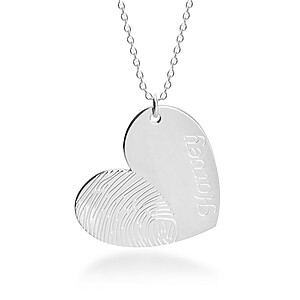
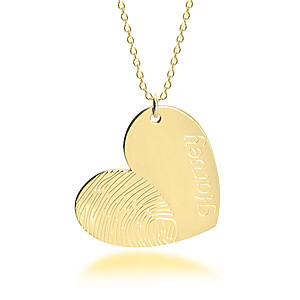
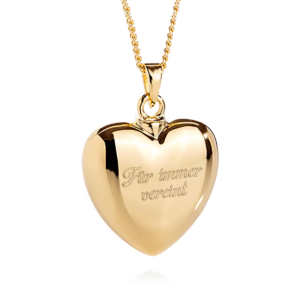
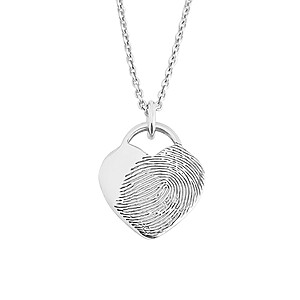
ALWAYS AT HEART - Heart necklace with original 3D fingerprint & individual engraving
 925 rhodium-plated silver
 Gold plated 24k
 Rose gold
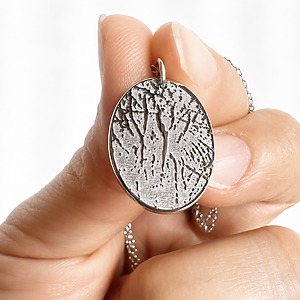
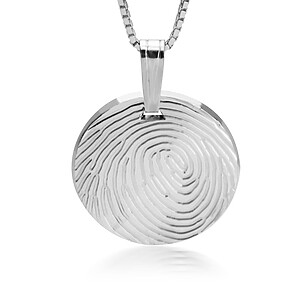
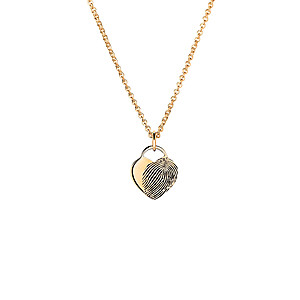
KEEPSAKE - Necklace with original fingerprint engraving memorial jewelry
925 rhodium-plated silver
 Gold plated 18K
Rose gold
HEART LEAF - Heart necklace with original 3D fingerprint engraving
925 rhodium-plated silver
Gold plated 18K
Rose gold
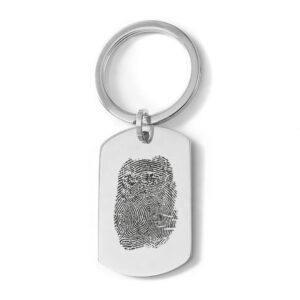
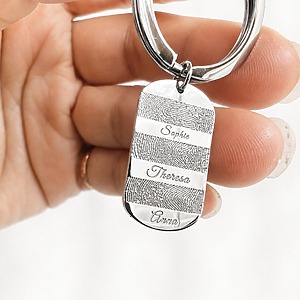
LUCKY CHARM - Keychain with individual 3D fingerprint & optional name
 Stainless steel 304
925 rhodium-plated silver
Gold plated 18K
Rose gold
MEMENTO Touch - Necklace with original 3D fingerprint engraving
925 rhodium-plated silver
Gold plated 18K
Rose gold
Stainless steel 304
925 rhodium-plated silver
Gold plated 18K
Rose gold
MEMENTO Fingertip - Necklace with original 3D fingerprint engraving
925 rhodium-plated silver
Gold plated 18K
Rose gold
925 rhodium-plated silver
Gold plated 18K
Rose gold
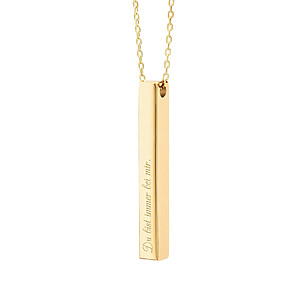
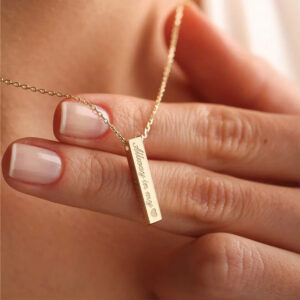
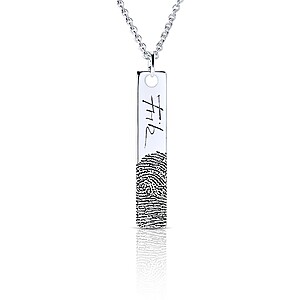
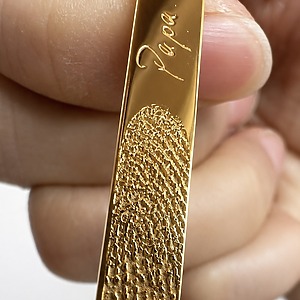
BAR - Urn ash pendant with personalized text engraving handwritten or original signature
Stainless steel 304
925 rhodium-plated silver
Gold plated 18K
Rose gold
HEARTBEAT Fingertip - Heart necklace with original 3D fingerprint engraving & individual engraving
925 rhodium-plated silver
Gold plated 18K
Rose gold
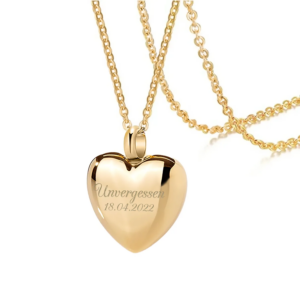
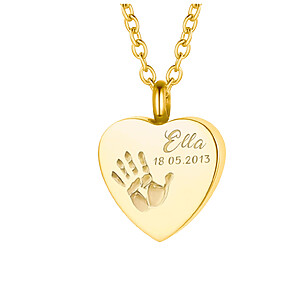
HEART ASH - Stainless steel urn necklace with individual engraving
925 rhodium-plated silver
 Silver Look
Gold plated 18K
Rose gold
925 rhodium-plated silver
Gold plated 18K
Rose gold
Open communication with family and friends greatly facilitates planning. Conversations about personal wishes and ideas create clarity and take the weight off the topic. Family members gain valuable insights into the thoughts of the person planning ahead and can act with certainty later.
The choice between earth burial and cremation forms the basis for all further planning. Both types of burial have their special features and effects on costs, burial site, and funeral service. In earth burial, the deceased is laid to rest in a coffin, which results in a traditional grave.
Cremations are becoming increasingly important. After cremation, various options are available for urn burial:
Modern funeral practices expand the range of options. Legal regulations vary depending on the federal state and cemetery, which is why early clarification when planning a funeral is important.
The choice of cemetery significantly influences the design of the funeral and long-term grave maintenance. Municipal cemeteries usually offer a wide selection of grave sites at different prices, while church cemeteries often have a special atmosphere and historical character.
Types of graves compared:
| Type of grave | Advantages | Disadvantages |
|---|---|---|
| Row grave | Cost-effective, simple allocation | No free choice of location |
| Chosen grave | Free choice of location, design freedom | Higher costs |
| Family grave | Multiple burials possible | Long-term commitment |
The organization of grave maintenance should be clarified early on. Professional grave care services offer a reliable alternative to care by family members. When planning the funeral yourself, these practical aspects should not be neglected.
The design of the funeral service forms the emotional highlight of the funeral. Here personal wishes meet organizational necessities. The choice between a religious and secular funeral service shapes the entire process.
Important design elements:
The subsequent funeral reception offers an opportunity for conversations and shared remembrance in a more relaxed atmosphere. These details make every funeral a unique farewell.
✓ First 24 hours – Immediate measures:
Contacting a funeral home should be done promptly. Funeral directors handle the hygienic care of the deceased and advise on pending decisions. A list of important contacts makes informing relatives much easier.

Required documents:
Funeral planning – Day 2-3:
The choice of burial method influences all subsequent decisions. Burial or cremation require different preparations and have different cost structures. Funeral speakers bring their experience to the design of the funeral service and need time for preparation.
When choosing a cemetery, keep in mind:
Organizational tasks – parallel to planning:
Appropriate mourning attire should be arranged in good time. Black or dark clothing is considered traditionally appropriate, but modern funerals also allow other color choices. The death notice informs the public about the death and funeral dates – online memorial pages increasingly supplement traditional print announcements.
Official deregistrations (after the funeral):
The decision to plan a funeral yourself depends on various factors. People with organizational skills and sufficient time can take on many tasks themselves. Simple burials without special wishes can often be organized independently without any problems.
Prerequisites for self-organization:
If the deceased was able to plan their own funeral in advance and left clear instructions, this significantly facilitates implementation. Financial considerations also play a role – by organizing it yourself, certain costs can be saved.
Complex funeral wishes often require professional experience and contacts. Funeral homes have established networks with cemeteries, florists, celebrants, and other service providers. These contacts make it possible to organize all desired services even at short notice.
Professional help is recommended for:
Funeral directors are trained to support and advise relatives during difficult times. They can provide objective advice and help correct unrealistic expectations or show alternative solutions. Their experience helps to implement the funeral planning efficiently and with dignity.
The costs of a funeral consist of various components and can vary considerably. A transparent cost breakdown helps with planning and prevents unwelcome surprises.
Main cost items at a glance:
| Cost range | Earth burial | Cremation |
|---|---|---|
| Funeral director services | 2,000-4,000€ | 1,800-3,500€ |
| Cemetery fees | 1,500-3,000€ | 800-1,500€ |
| Coffin/Urn | 800-3,000€ | 400-1,500€ |
| Funeral service | 500-1,500€ | 500-1,500€ |
| Gravestone | 1,000-5,000€ | 500-2,000€ |
Additional cost factors:
If you want to plan your own funeral, you should develop realistic cost expectations and arrange financial security in good time.
200000
Planning a funeral during your lifetime offers not only organizational, but also financial benefits. Various pre-planning models make it possible to save up funeral costs over the years or deposit them as a lump sum.
Financing options compared:
Funeral expense insurance:
Funeral provision trust agreement:
Online advance planning options significantly simplify the process. Digital platforms enable comparisons of various offerings and provide flexible consultation via phone or video chat. If you want to plan my funeral, you’ll find modern and straightforward solutions.
Digital technologies are also fundamentally changing the funeral industry. Online platforms make it possible to handle various aspects of funeral planning conveniently from home. Comparison portals display prices and services from different providers transparently.
Benefits of online planning:
Virtual consultation meetings save time and reduce emotional strain. Via video chat, all important questions can be clarified without family members having to leave the house. This form of consultation is particularly valuable in rural areas.
Online tools for cost calculation provide information about expected expenses in advance. The fast processing of digital processes accommodates the often tight timeframe between death and burial. Anyone who wants to organize their own funeral benefits from these modern options.
Digital funeral planning enables flexible and user-friendly planning. Online platforms guide interested parties step by step through the planning process and capture personal wishes in detail.
Functions of digital planning platforms:
Digital advance care contracts offer transparency and flexibility. All terms are clearly visible, and contract documents can be accessed at any time. Online customer portals allow you to check the status of your advance care planning and make adjustments if needed.
Document management takes place securely in digital archives. Important documents such as powers of attorney, advance directives, or burial wishes can be stored centrally. This modern way of planning your funeral in advance suits the habits of digitally savvy people.
The written documentation of personal burial wishes creates clarity for relatives and prevents misunderstandings. Structured documentation makes later implementation considerably easier.
Checklist: Document personal wishes
Details about designing the funeral service make the funeral individual and personal. Music preferences, flower selection, and the desired setting of the service can be determined in advance. Personal items such as jewelry, books, or mementos can be designated for the coffin furnishings.
Include practical considerations:
Legally secure documentation of personal funeral wishes is carried out via a funeral directive. This should be handwritten and dated to ensure legal binding force.
Sample structure of a funeral directive:
1. Personal Data and Declaration
2. Type and Location of Burial
3. Funeral Service Design
4. Financing
The funeral arrangement should contain concrete and actionable instructions. Family members must be informed of the existence of the arrangement, and a copy should be deposited with a trusted person. Regular updates ensure that the arrangement reflects current wishes.
Planning your funeral in advance is a responsible decision that benefits everyone involved. A structured approach makes this emotional process manageable and reduces the burden for all involved.
The key takeaways at a glance:
Advance planning relieves everyone involved
Communication is crucial
Professional help can be worthwhile
Digital options significantly expand the possibilities for planning and provision. Online platforms offer flexibility and transparency that complement traditional approaches.
Step by step to your own provision plan:
Phase 1: Information and reflection
Phase 2: Concrete planning
Phase 3: Documentation and Communication
A consultation appointment with a reputable funeral director or pre-planning provider can concretize the planning process. Professional advice helps to correct unrealistic ideas and find practical solutions. With these steps, planning a funeral in advance becomes a structured and goal-oriented process that provides security and guidance to all involved.
KEEPSAKE - Necklace with original fingerprint engraving memorial jewelry
925 rhodium-plated silver
Gold plated 18K
Rose gold
HEART LEAF - Heart necklace with original 3D fingerprint engraving
925 rhodium-plated silver
Gold plated 18K
Rose gold
LUCKY CHARM - Keychain with individual 3D fingerprint & optional name
Stainless steel 304
925 rhodium-plated silver
Gold plated 18K
Rose gold
Stainless steel 304
925 rhodium-plated silver
Gold plated 18K
Rose gold
MEMENTO Fingertip - Necklace with original 3D fingerprint engraving
925 rhodium-plated silver
Gold plated 18K
Rose gold
925 rhodium-plated silver
Gold plated 18K
Rose gold
Sprache auswählen: